Optimizing Liquid-Solid Separation with Filter Aids
Introduction
Click here to download the Sparkler Bodyfeed and Precoat Guidelines PDF
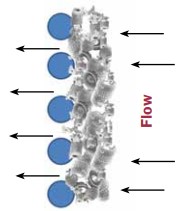
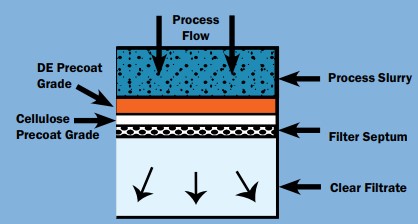
Filter aids are porous, inert powders (commonly diatomaceous earth (DE), volcanic glass (perlite) and cellulose fibers) that significantly enhance solid-liquid separation by forming a porous “cake” on top of the primary filter media—converting the filtration from a two-dimensional surface filter to a deeper three-dimensional depth filter. They can be used in two main ways :
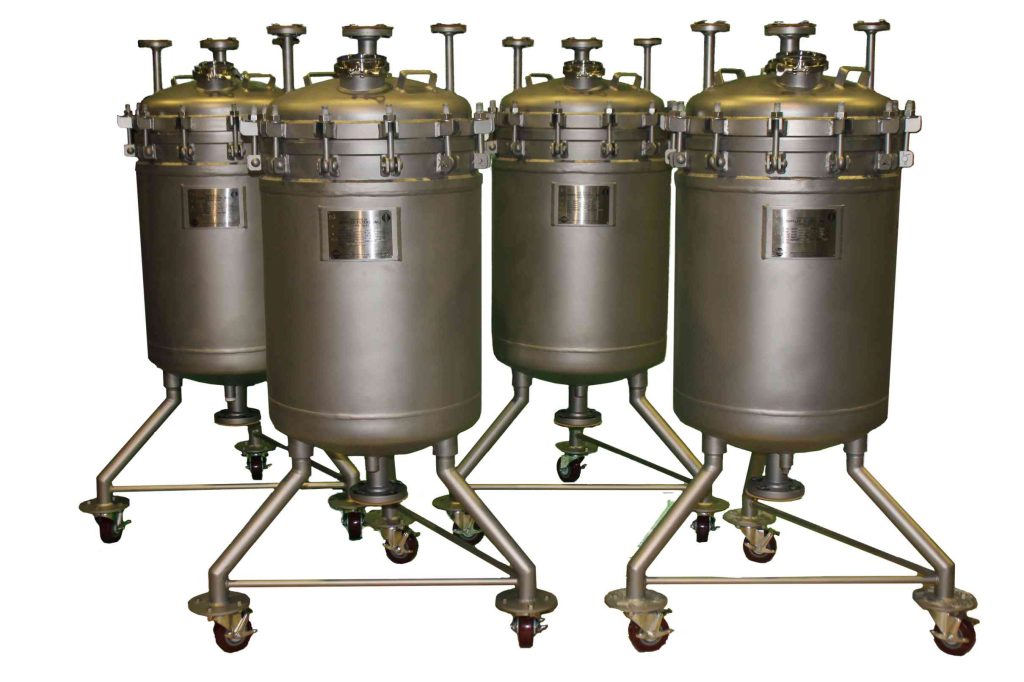
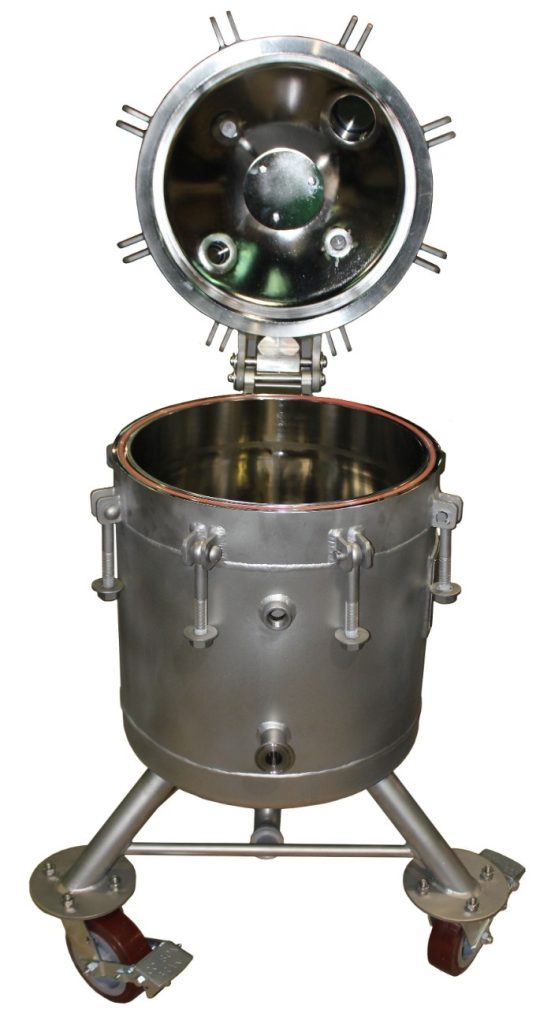
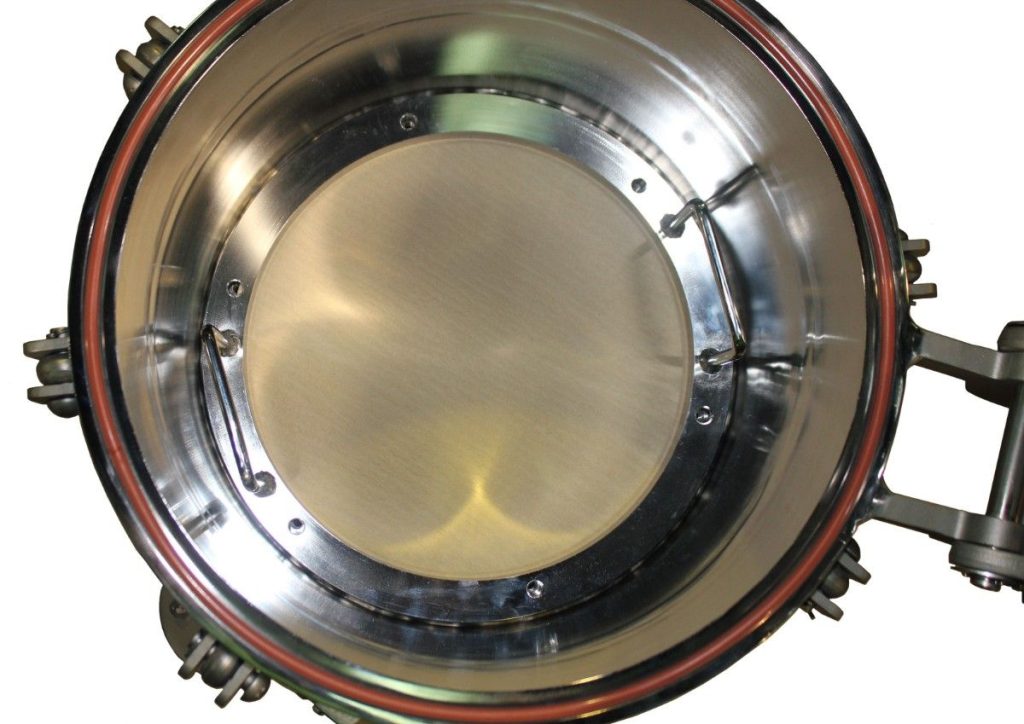
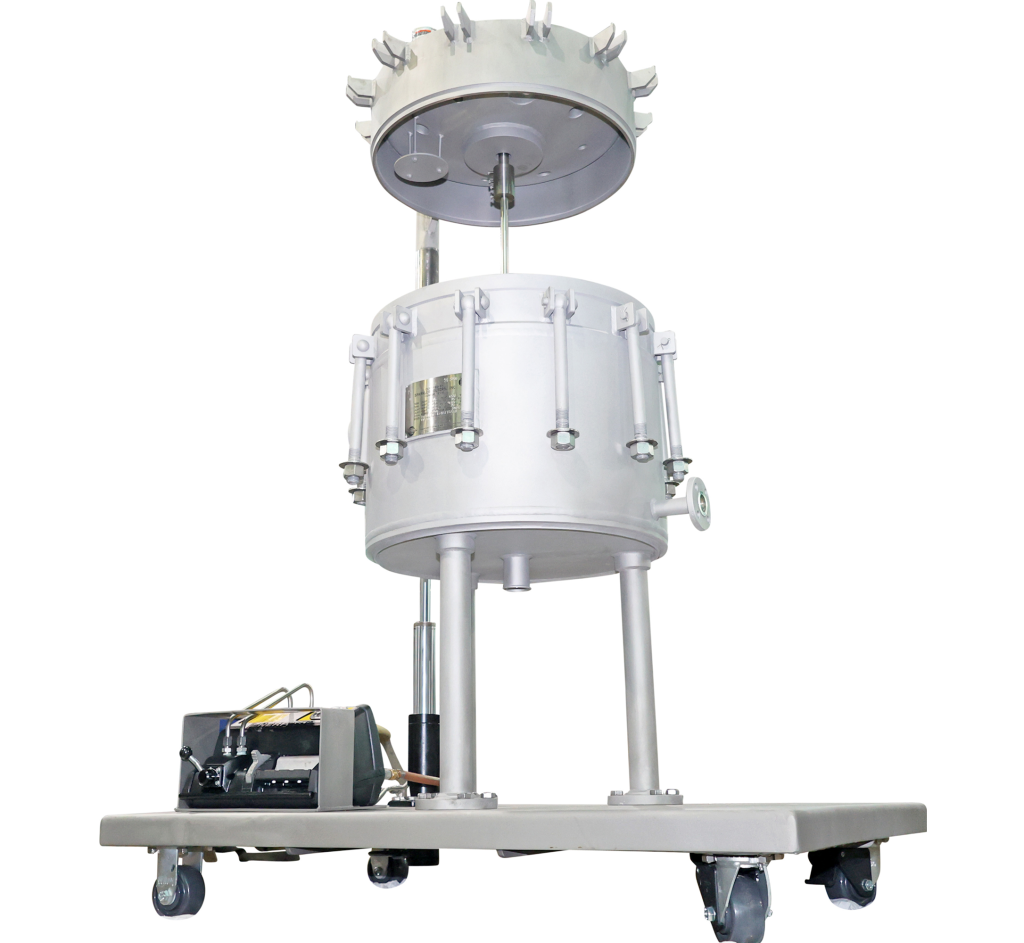
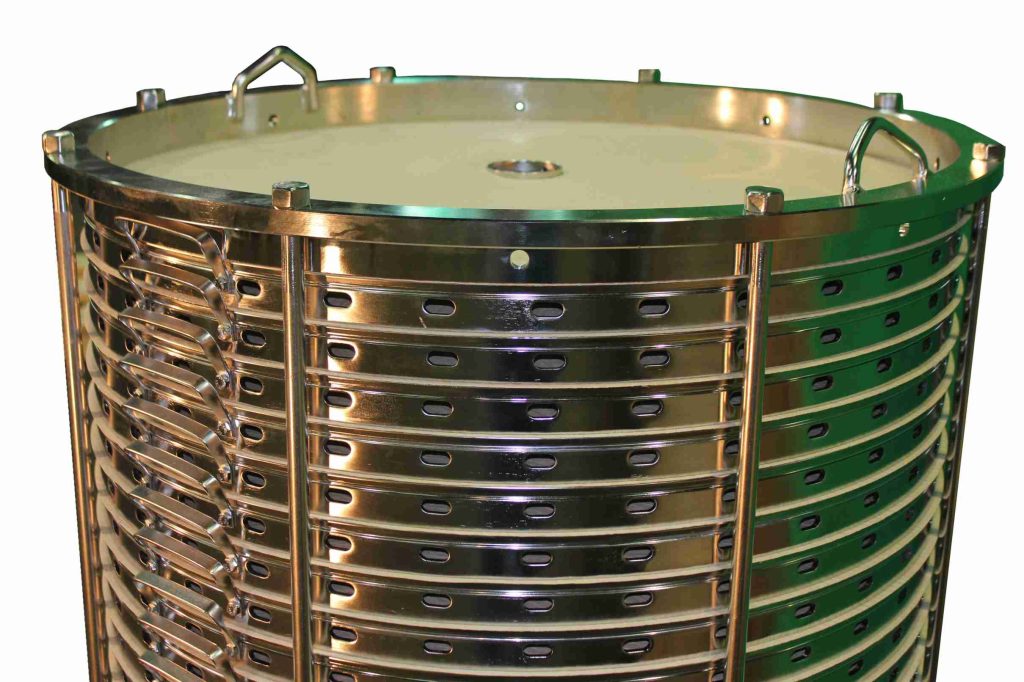
Precoat : A small slurry of filter aid and water (or clean product) is recirculated through the system two and half to three times, creating a thin protective layer atop the filter media that is typically 1/8” deep.
Body Feed : Filter aid is added to the feed source or continuously metered into the main slurry during filtration to maintain cake porosity.
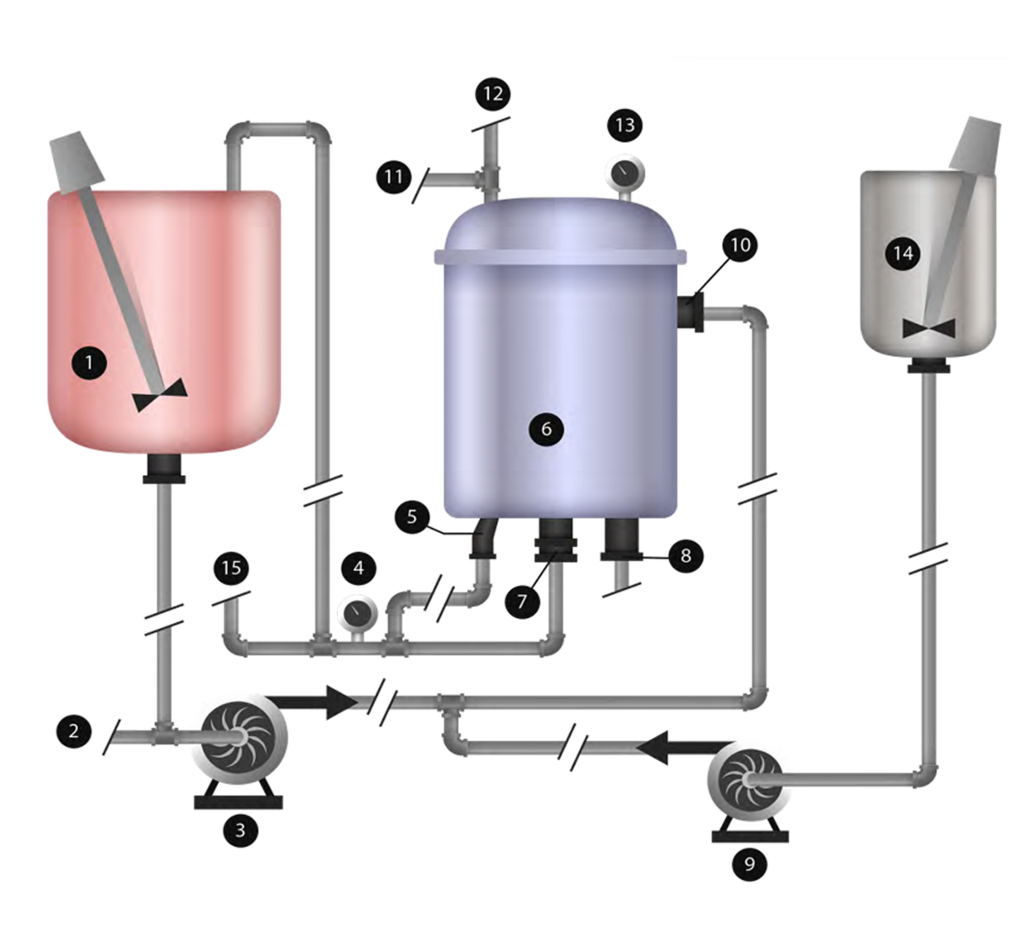
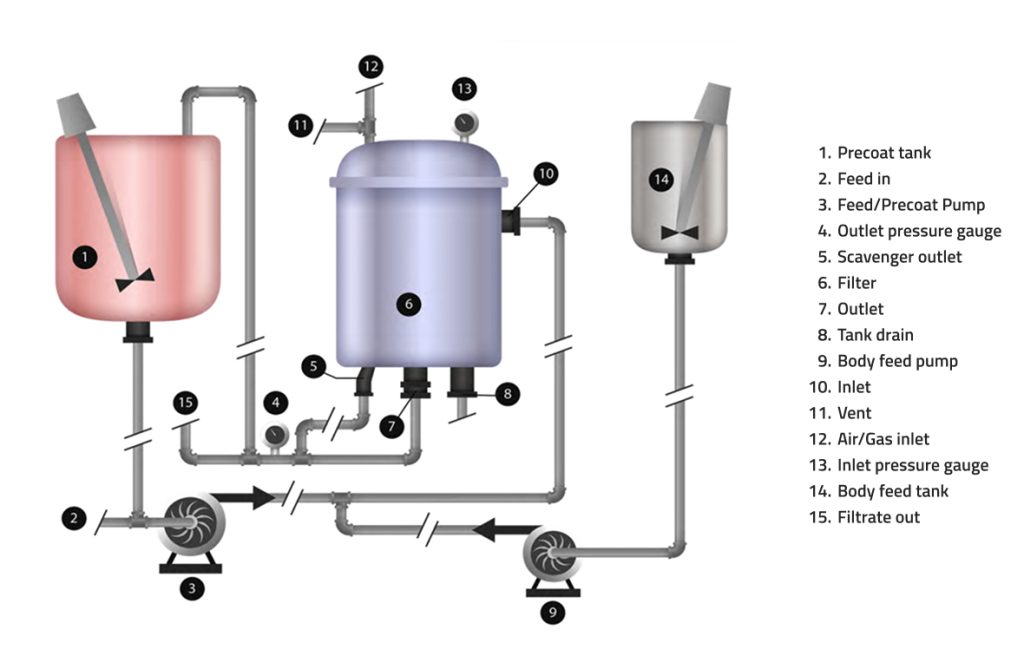
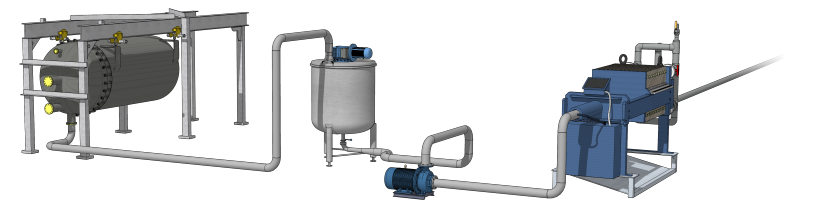
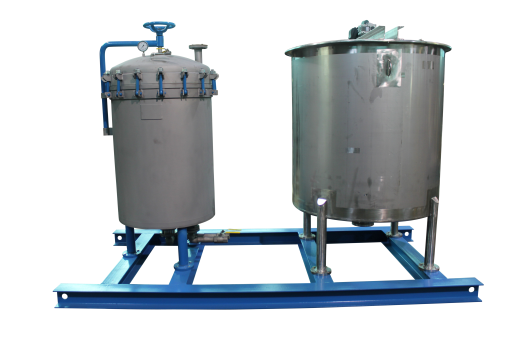
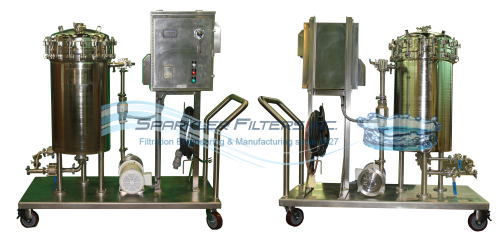
By employing filter aids, operations can achieve higher throughput, improved clarity, extended filter media life, and more predictable processing—even when dealing with fine, compressible, or gelatinous solids. The process flow can be visualized in a typical P&ID showing a Precoat Tank, Body Feed Tank, and a Filter.
The thin layer of filter aid reduces direct contact between fine solids and the underlying
filter screens or media, prolonging service life.
Higher Throughput & Extended Cycle Times
The porous filter-aid layer allows >90% of available filter area to be
realized and thus can result in higher throughput. It also prevents early
blinding, enabling more volume to be processed at lower pressure
drops.
Enhanced Reliability & Repeatability
Inert, uniform filter aids reduce variability of difficult feeds that may contain sticky or compressible solids.
Improved Clarity & Product Recovery
Even submicron particles can be captured if the correct grade of DE or perlite is used correctly, often matching or
exceeding the clarity typically associated with membrane systems.
Types of Filter Aids
While diatomaceous earth (DE) and perlite are the most commonly used filter aids, there are other materials worth considering for specific applications:
Diatomaceous Earth (DE)
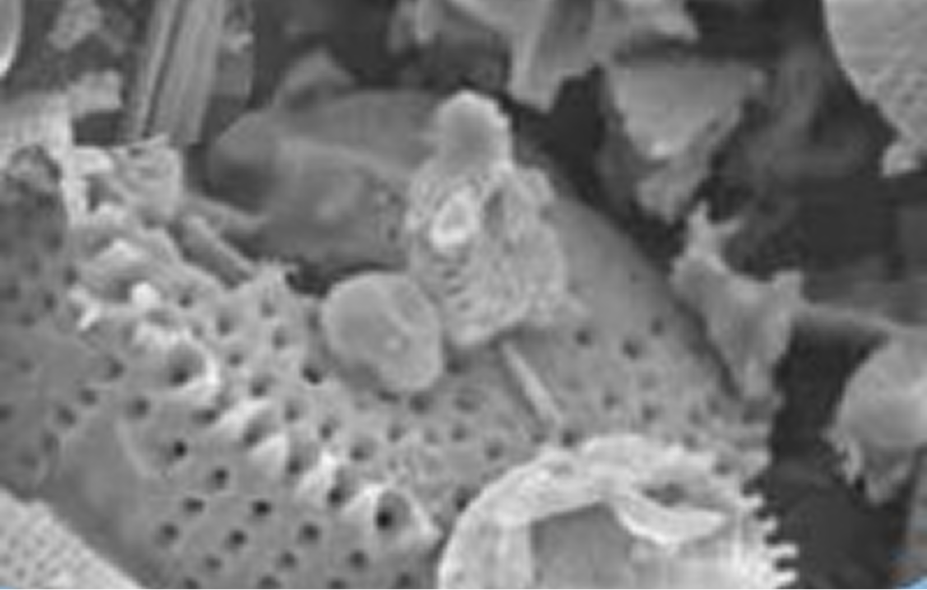
Highly porous, fossilized single cell algae (diatoms).
Available in multiple grades with varying particle size distribution and flow characteristics.
Used broadly across all industries.
Sparkler doesn’t sell DE directly, but we work closely
with all key miners/manufacturers like US Silica,
Imerys, and Dicalite for consistent, high-quality supply and expertise.
Highly compatible with most process chemistries and temperatures.
Cellulose
Fiber-based filter aid that can improve cake and help trap fine solids.
Generally, higher cost than DE or perlite.
Often used in pharmaceutical or specialty applications due to its organic composition and FDA considerations.
Broad chemical resistance.
Compressible fibers require close monitoring and control of dP to maintain porosity
Perlite
A volcanic mineral expanded under heat to create lightweight, porous particles.
Often favored for moderate clarities and as an alternative to DE.
Broad chemical resistance and relatively low density.
Maxflo
A proprietary or specialty filter aid made from rice hull ash.
Targeted at specific industrial clarifications to reduce moisture and waste density.
Environmentally friendly byproduct of energy production.
A Note on Activated Carbon (AC)
Activated carbon can be used as a filter aid from a handling perspective, but it typically does not improve the flow or throughput (it
can actually increase resistance). Instead, its purpose is to remove or alter color, odor, or certain dissolved contaminants through
adsorption.
Polishing Step : Requires proper exposure / contact time for best results.
Removal : Carbon can be very fine and dusty; it
generally benefits from a DE precoat or a body feed
strategy that includes both DE and AC. The DE forms
the main porous cake while the AC performs the
adsorptive polishing function,
Methods of Application
Precoat
Baseline : ~1 lb of DE per 5 ft² (1 KG / 1 M2) of filter area is circulated from the Precoat Tank, resulting in a ~1/8” layer of DE atop the media
Baseline : Recirculate source material volume 2.5 to 3 times at flux rate of > 1 gpm/ft2 until clarity is achieved or a set
time has elapsed.
Body Feed
Introduce filter aid (e.g., 1 to 1 by volume with incompressible solids or 1:1 weight ratio with compressible solids) into the source or via continuous injection into the stream.
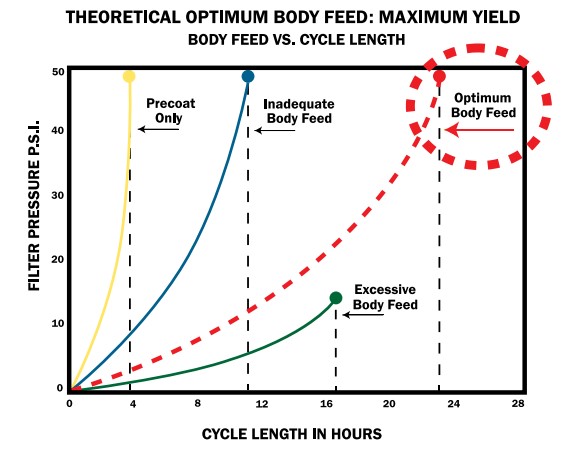
Monitor and adjust based on your specific process objectives, desired flow rate, cake capacity, using differential pressure and filtrate clarity as guides.
Many industrial processes combine a precoat with a consistent body feed ratio, ensuring the filter cake stays open and porous throughout the run or cycle.
Comparison
Filter Aids vs. Membrane/Tubular Filtration for Submicron Results
When submicron clarity is needed, membrane or tubular microfiltration systems typically rely on a uniform pore structure bonded to a more open substrate. Likewise, woven wire media often feature opening diameters as large as 100 microns, but with careful selection of filter aids and a finer underlying medium (<3 μm openings), submicron performance can be achieved in many industrial processes. Key advantages of filter aid–based approaches include :
Note
This comparison does not address cross-flow membrane filtration, which uses interfacial tension at the pore boundary for liquid-liquid separation at very low differential pressures (<1 psi).
Cost & Scale
Membranes : High operational and replacement costs, often requiring specialized cleaning.
Filter Aids : Lower consumable cost, easily scalable from small trials to large installations, and help protect the base media from pore-clogging.
Throughput & Fouling
Membranes : Prone to rapid fouling when feeds contain compressible solids or viscous particulates, leading to frequent cleaning or stops.
Filter Aids : Capture solids in a porous cake structure, often extending cycle times substantially.
Mechanical Robustness
Membranes : Sensitive to pressure shocks or erratic flow conditions.
Filter Aids : Chemically and mechanically durable, maintaining stable porosity with challenging feeds.
Cake Discharge
Filter Aids : Cakes are typically easy to remove mechanically, enabling repeatable performance cycle after cycle.
Overall, filter aid–based filtration remains a robust, lower-cost, and lower-maintenance choice for achieving submicron clarity in numerous industrial applications.
How Much Filter Aid to Use?
Use least amount of coarsest DE to meet product clarity requirements : This is always ideal way to accomplish maximum productivity with lowest cost of operation.
Start with Lab or Pilot Trials : Determine the ideal grade of DE or perlite and the approximate dosing levels. Filtration is scalable.
1× vs. 10× Bodyfeed Approach : Test 1× and 10× the solids weight ratio to see which balances flow rate, clarity, and cost.
Monitor dP & Clarity : Adjust bodyfeed dosage if differential pressure rises too quickly or clarity is insufficient.
Typical Guidelines :
Precoat : ~1 lb of DE per 5 ft² filter area for a ~1/8" layer.
Body Feed : 1:1 weight ratio (DE : compressible solids) as a starting point, adjusting as needed.
Real-World Benefits
Extended Run Times & Reduced Cleaning :
A stable, porous cake lets you operate longer without having to halt for cleanup.
Consistent Filtrate Quality :
The uniform filter-aid multidimensional layer traps submicron contaminants more effectively than flat media filtration alone.
Easier Maintenance :
Filter aid acts as a “buffer,” sparing the underlying filter media or plates from wear and tear.
Case Study :
Beverage Clarification Using DE Body Feed
Scenario :
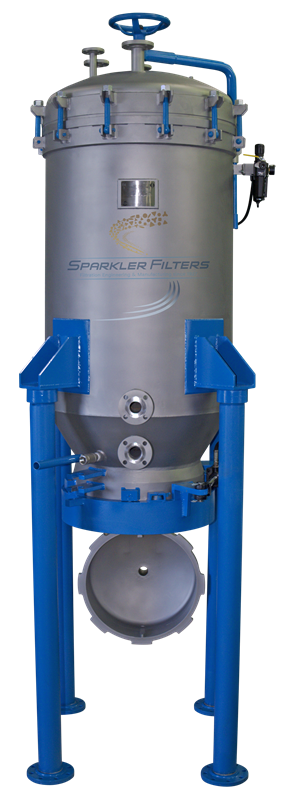
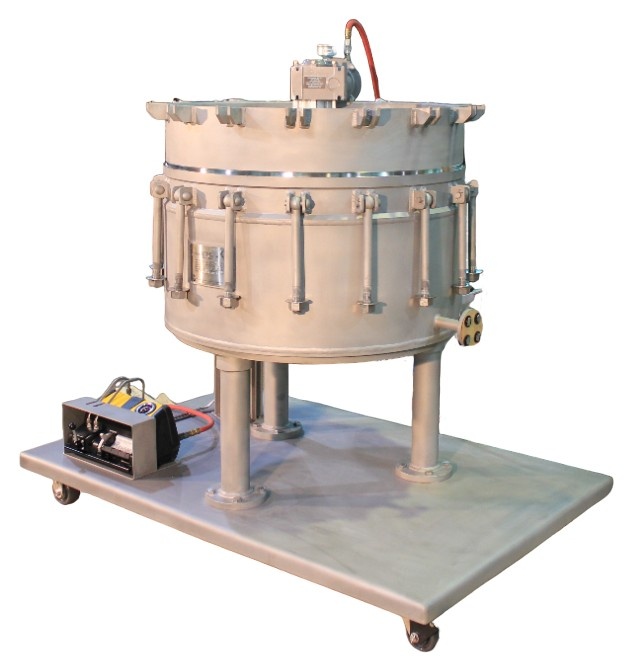
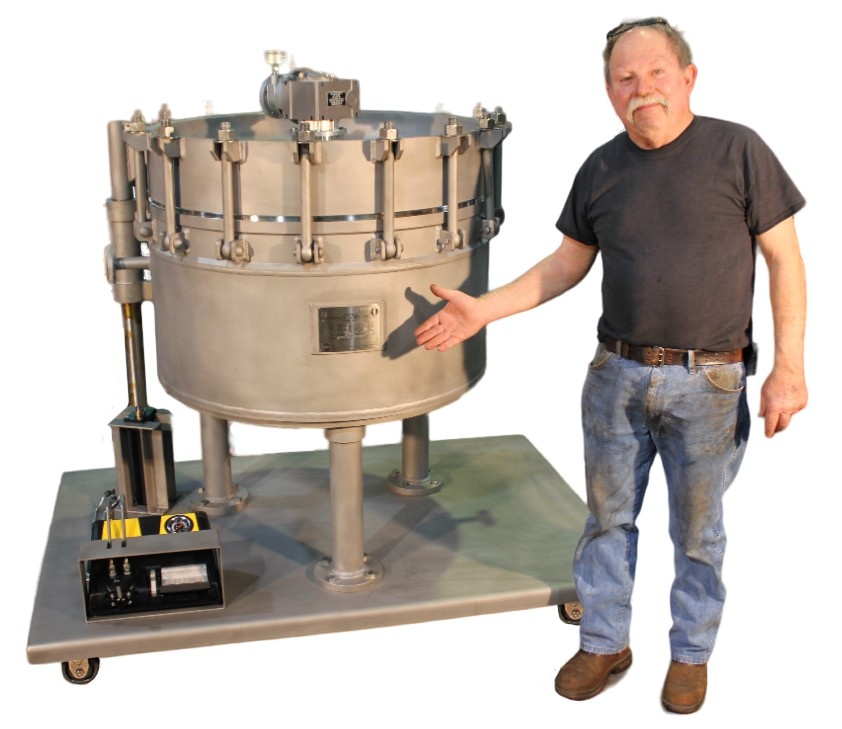
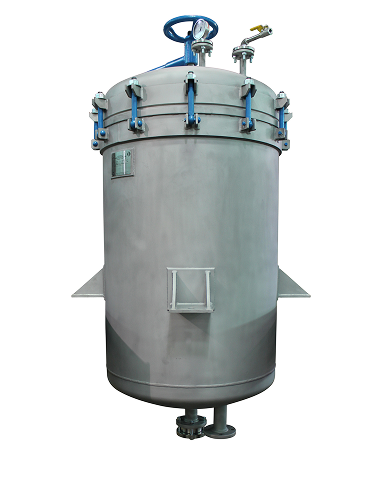
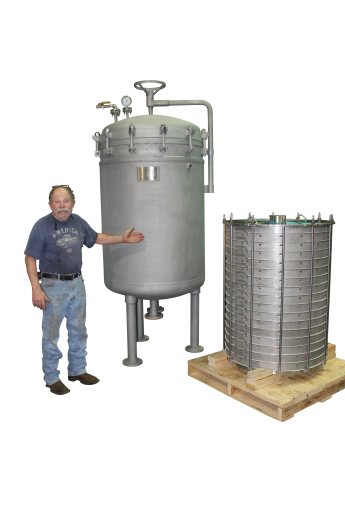
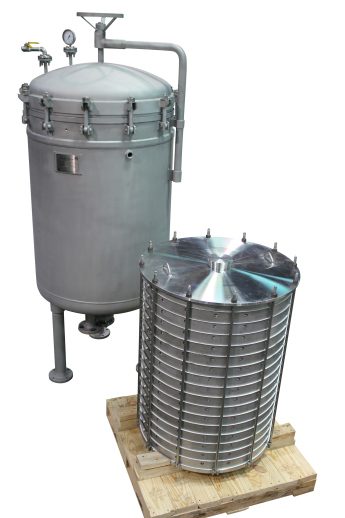
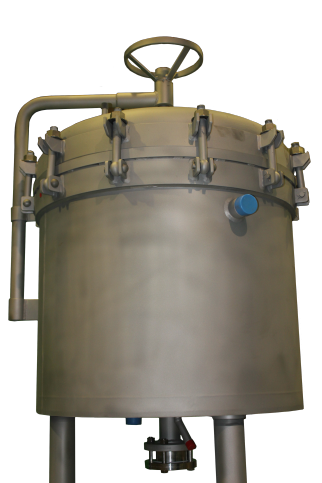
A juice processor needed submicron clarity (turbidity <0.5 NTU) without the complexities and cost of membrane filtration. They installed a 33" Sparkler HPF, implemented a DE precoat plus a modest continuous DE body feed.
Baseline : No filter aid → frequent clogging, <40 gpm flow at 10 psi in ~1 hr.
With DE Body Feed :
Initial precoat : 1 lb DE per 5 ft² filter area.
Body feed ratio : 0.5:1 by volume (DE : solids).
Results : Flow maintained >50 gpm for nearly 4 hrs at ~12 psi, with final clarity consistently below 0.5 NTU.
Conclusion :
Cycle times extended by 300% and filter cleaning frequency reduced by half compared to baseline. Reduced labor and maintenance.
Track dP, flow, clarity, and total filter aid used per batch for continuous improvement. Note changes from cycle to cycle.
Check Safety & Disposal
DE and perlite can be dusty—use proper personal protective equipment.
Consider Hybrid Approaches
Blending DE with activated carbon can tackle color/odor issues or add specialized functionalities.
Referencing the P&ID (Precoat + Bodyfeed)
1. Precoat tank
2. Feed in
3. Feed/Precoat Pump
4. Outlet pressure gauge
5. Scavenger outlet
6. Filter
7. Outlet
8. Tank drain
9. Body feed pump
10. Inlet
11. Vent
12. Air/Gas inlet
13. Inlet pressure gauge
14. Body feed tank
15. Filtrate out
A standard setup example includes :
Precoat Tank (#1) and Feed/Precoat Pump (#3) :
Circulate filter-aid slurry to form an initial cake.
Body Feed Tank (#14) and Body Feed Pump (#9) :
Continuously dose or mix with the feed tank to add filter aid to the incoming slurry.
Filter (#6) :
Main inlet (#10), scavenger outlet (#5, optional), vent (#11), and outlet (#7) to the filtrate line (#15).
Pressure Gauges (#4, #13)
Monitor differential pressure, critical for controlling dosing or run end.
Interested in DE or Other Filter Aids?
Sparkler Filters, Inc. does not sell filter aid directly. However, we work closely with reputable suppliers to ensure you receive a consistent, high-quality product:
US Silica (EP Minerals) : Ex. Celatom® Click here to view brochure
Imerys : Ex. Celite®
Dicalite : Speedex®
Contact us for introductions or help sourcing the right filter aid for your application.
Reference
Cain, C. W. (1981). Filter-Cake Filtration: Putting the Principles to Work — For Effective Operation, Know the Nature of
our Solids. Chemical Engineering, 88(15), 52—58.
Schweitzer, P. A. (Ed.). (1988). Handbook of Separation Techniques for Chemical Engineers. McGraw-Hill.
Perry, R. H., & Green, D. W. (Eds.). (2007). Perry's Chemical Engineers' Handbook (8th ed.). McGraw-Hill.
Bambicher, E., & Heindel, T. (2010). Optimizing Precoat Filtration with Diatomaceous Earth in Fruit Juice Clarification.
Journal of Food Engineering, 100, 573—580.
Li, S., & Shukla, A. A. (2013). Process-Scale Cell Clarification Using Filter Aid to Prevent Filter Fouling. Biotechnology
Progress, 29(2), 488-495.
Stowe, H. E., et al. (2014). Evaluation of Diatomaceous Earth and Perlite Filter Aids in Merrill-Crowe Circuits. Minerals
Engineering, 64, 7—15.