Mastering Filtration Equipment Selection for your Process.
Why Proper Filtration Selection Matters
Filtration Area & Flow Rate – The #1 Oversight in Filtration Sizing
Imagine a one-mile race on a four-lap track. Before the race begins, the track must be properly conditioned—this is equivalent to
precoat formation in a filtration system.
A common industry mistake: Under-sizing filters to reduce upfront costs.
Some manufacturers promote smaller filters at lower prices, leading to :
Production inefficiencies & lost revenue from reduced flow rates.
Frequent clogging & shorter cycle times.
Higher labor & maintenance costs.
Buyer’s Tip : Compare price per square foot of filter area, not just total equipment cost. Review cake depth and capacity.
Studies show that undersized filtration systems increase long-term operating costs by > 40% due to :
Decreased throughput & cycle efficiency.
Increased media/consumable costs.
Higher maintenance costs.
Sparkler Filters endeavors to achieve proper sizing for long-term efficiency and ROI with a completed application data sheet at project start.
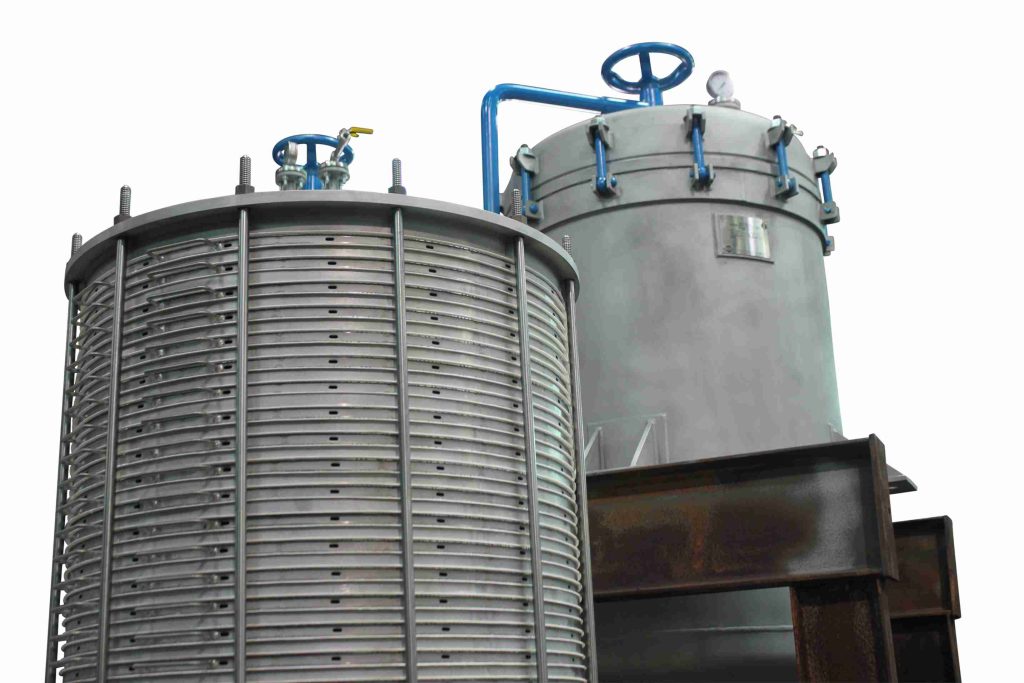
Cake Capacity & Discharge Timing
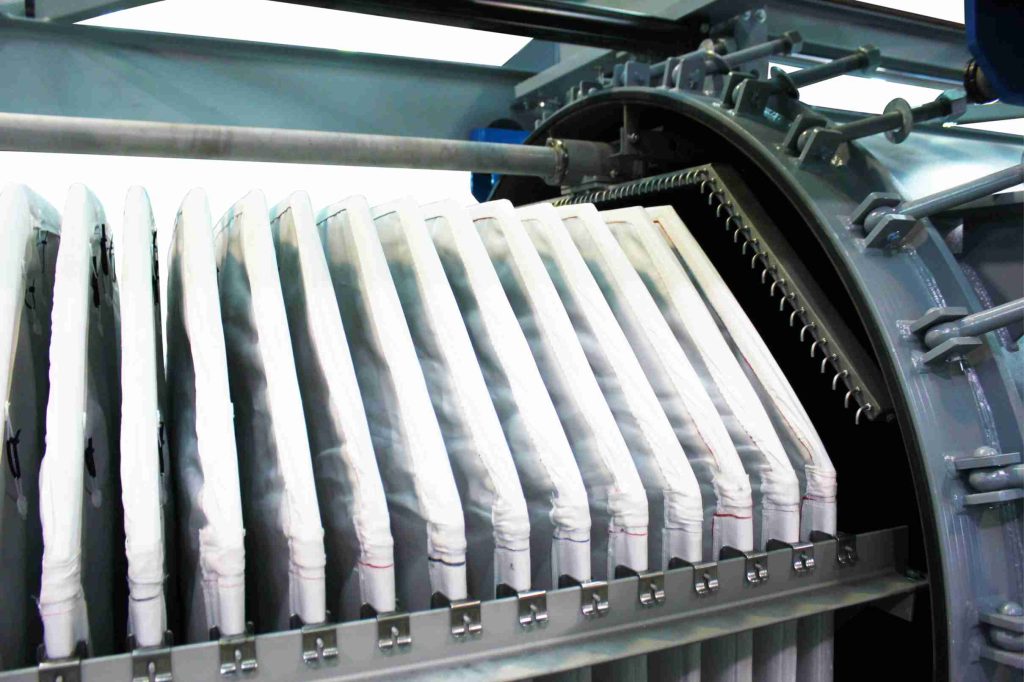
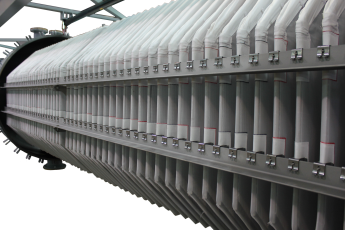
Optimize cake thickness based on solids resistance, acceptable flow rate, and pressure differentials.
Accurately determine solids percentage or volume to properly size :
Filter area
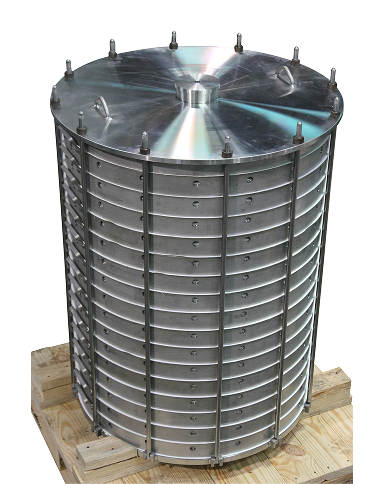
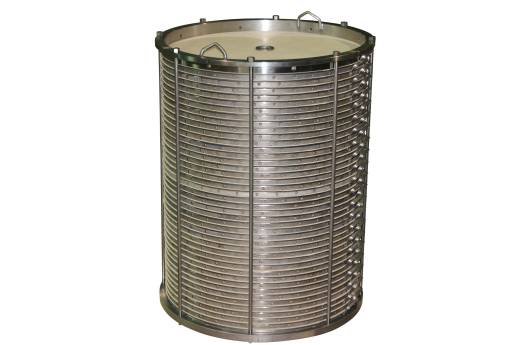
Plate spacing
Discharge frequency
Batch Filtration :
Consider cleaning requirements based on batch solids loading and volume.
Weigh the pros and cons of multiple changeouts vs. higher flow rate if more than one cycle is required.
Continuous Filtration :
Establish optimal cycle times to balance flow rate and discharge intervals.
Proper cake formation management allows for :
Predictable and repeatable cycles
Controlled pressure differentials
Consistent performance with reduced wear and tear
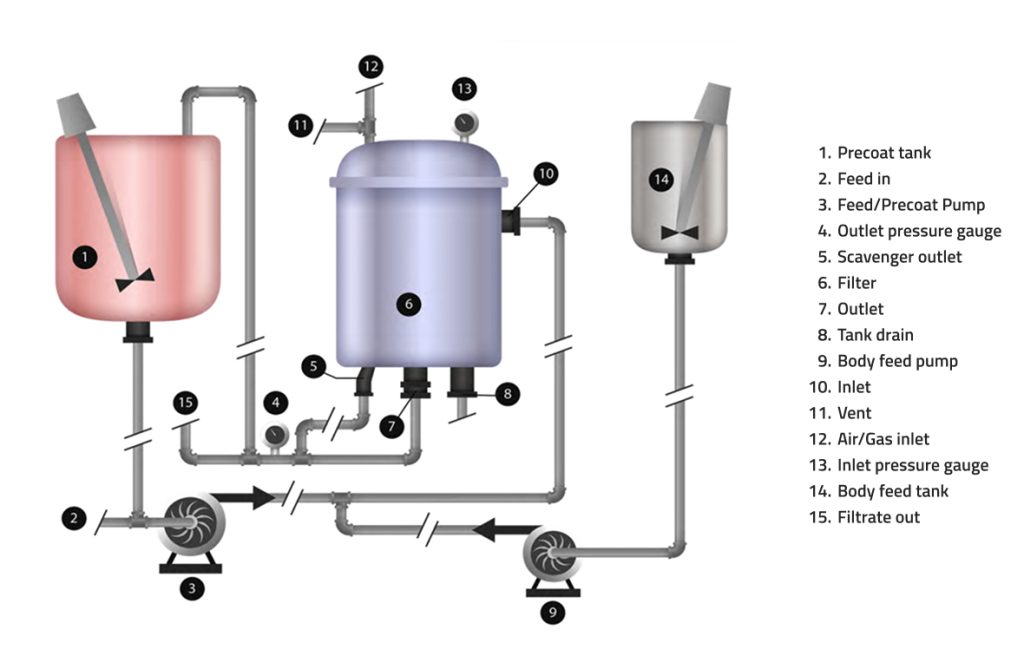
If filter aids (e.g., diatomaceous earth (DE), perlite) are used in your process, ensure precoat and body feed volumes are factored into filter run times and solids loading estimates.
Key Considerations for Filtration System Selection
The correct filtration system must align with :
✔ Production Demands
✔ Quality and Clarity Requirements
✔ Repeatable Discharge method and cycle times
✔ Reliable System uptime
✔ Preventative Maintenance schedules
✔ Capital considerations and operational costs
Explore Key Concepts
Throughput Performance Expectations
Meeting customer objectives is our primary goal when sizing
a new filter. As a manufacturer, we understand that process
and throughput control is a crucial factor in filter selection.
Now that we've covered the importance of proper sizing and discharge timing, let’s break down the key factors that determine the best filtration system for your process.
Equipment Specifications: Process Compatibility
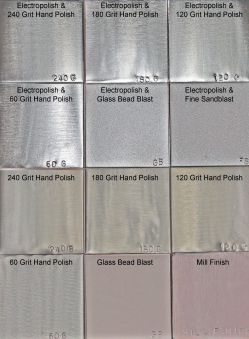
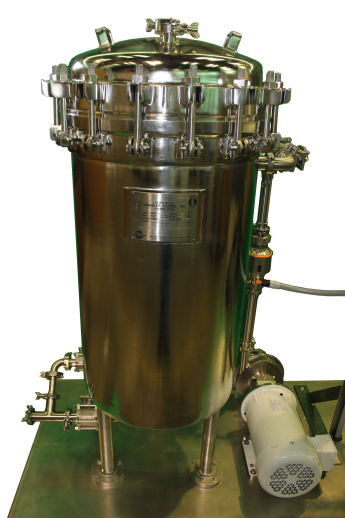
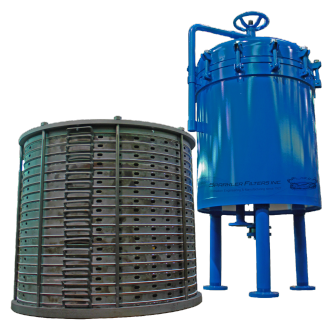
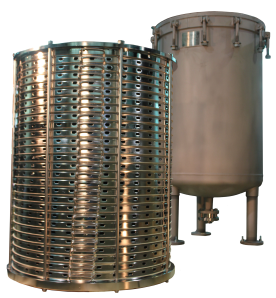
Material of construction should be determined by your process compatibility. Common options include Carbon Steel,
Stainless Steel (304, 304L, 316, 316L) and Hastelloy. Alternative options include Monel, Duplex 2205 and Titanium. Stainless
options are best for long term use and part availability if compatible and 304 is the lowest first cost.
Material of construction can be separated by wetted material (the portion of the filter that has direct contact with process
fluid) and non-wetted material (the exterior sections of the filter that do not have direct contact with the process fluid).
Standard gasket options include Buna-N, Neoprene, EPDM, Teflon, Viton and Silicone.
Click here for a complete list of design specs and options.
Design Specifications : Process Conditions
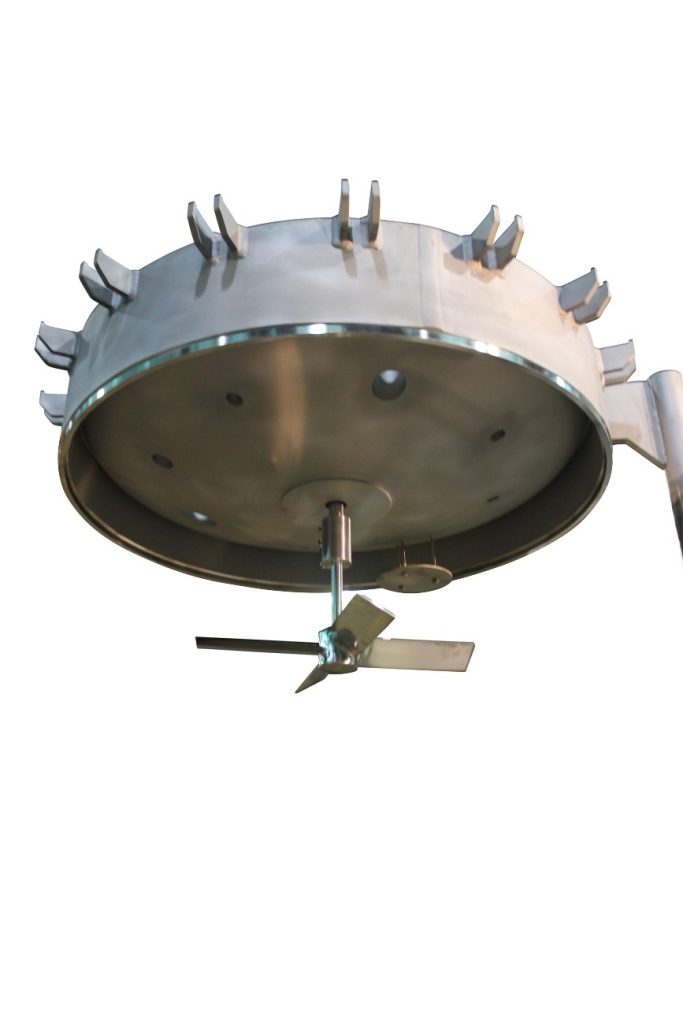
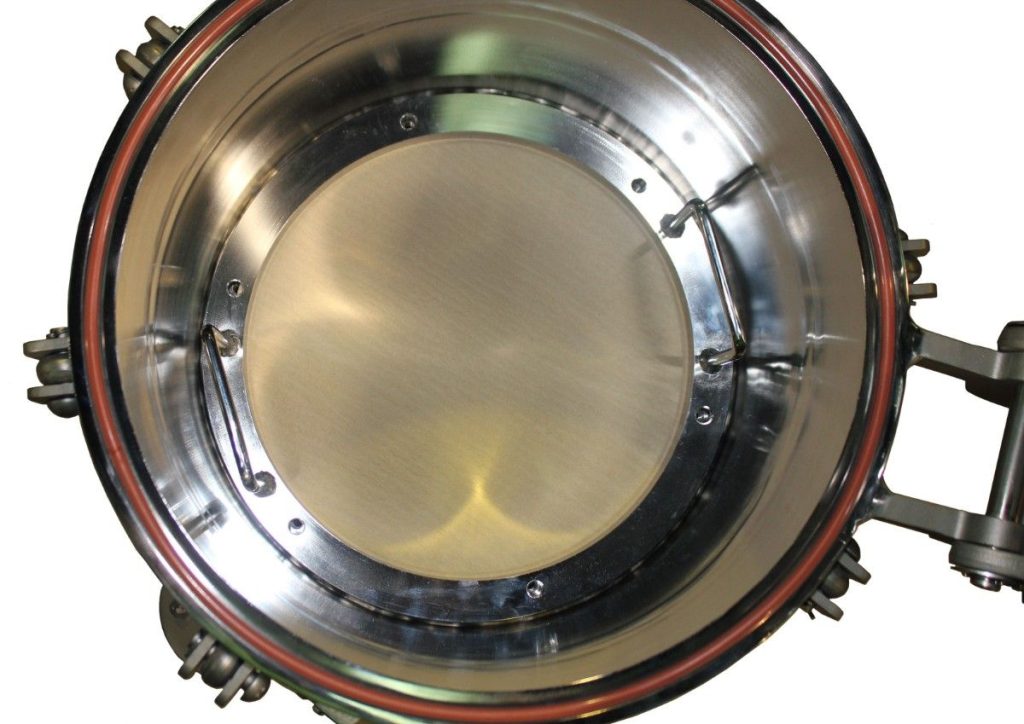
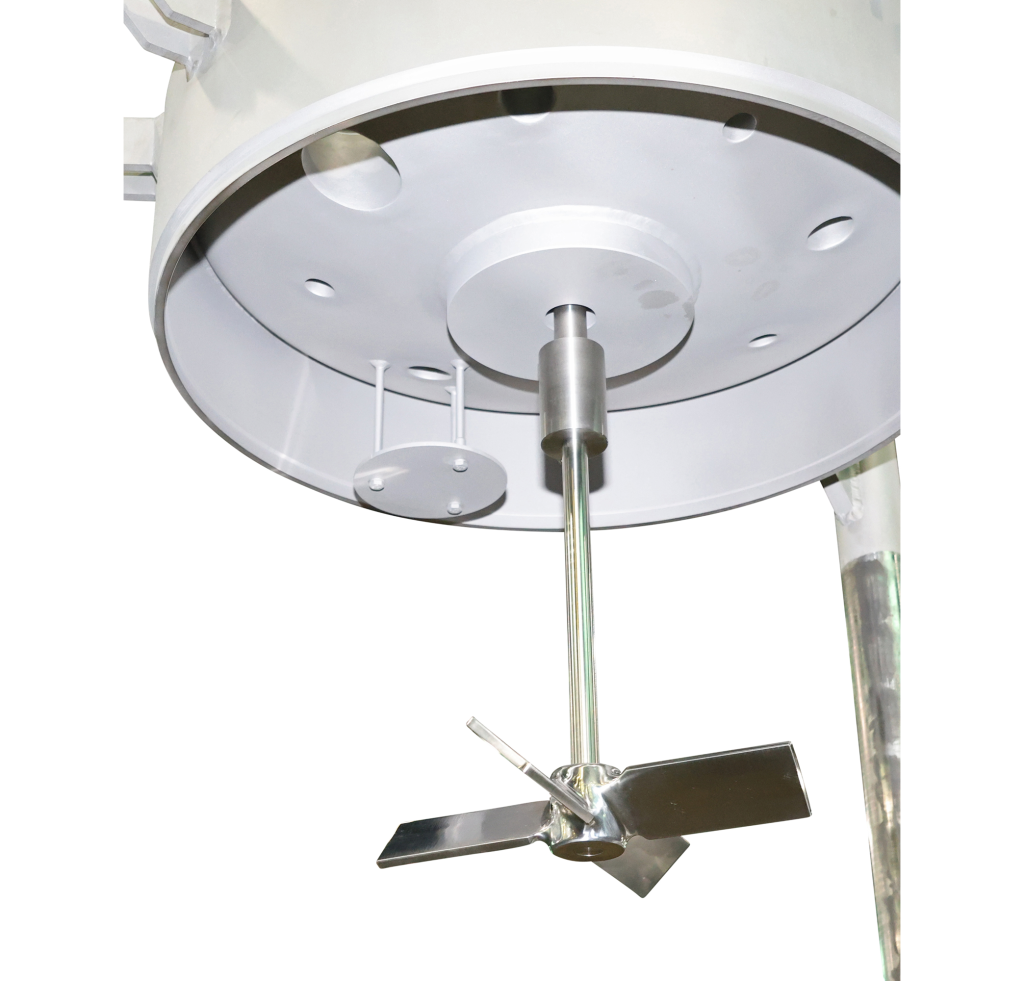
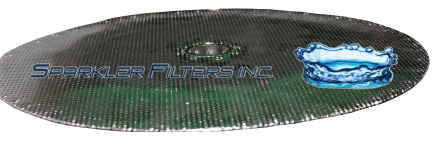
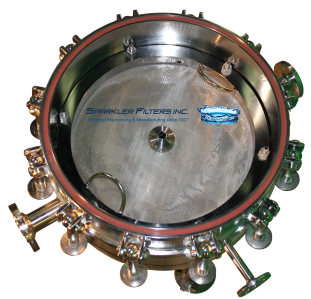
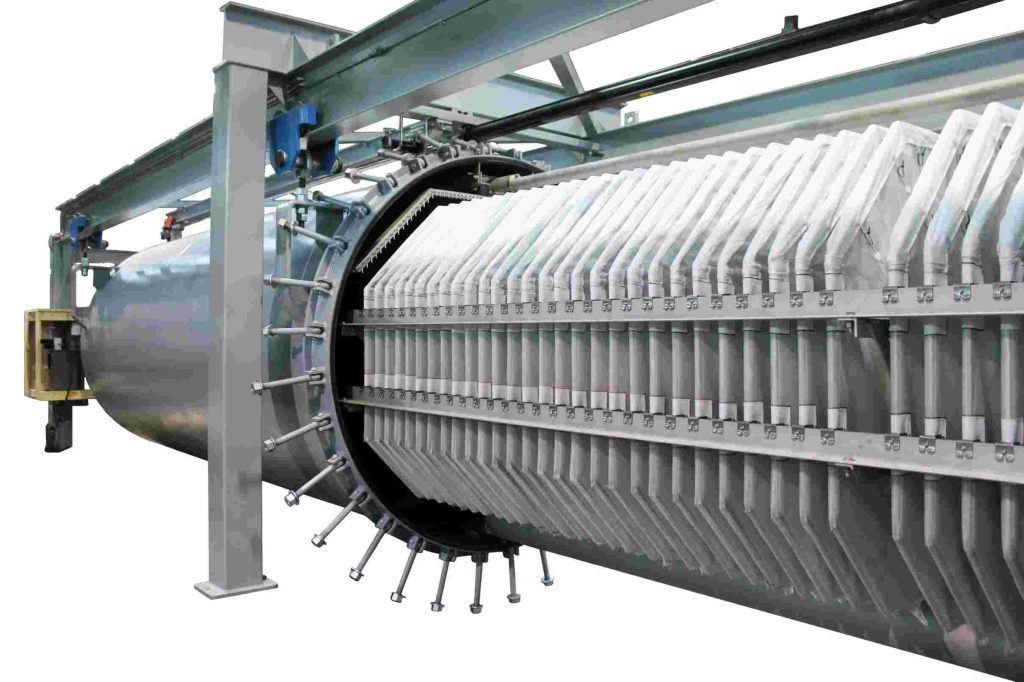
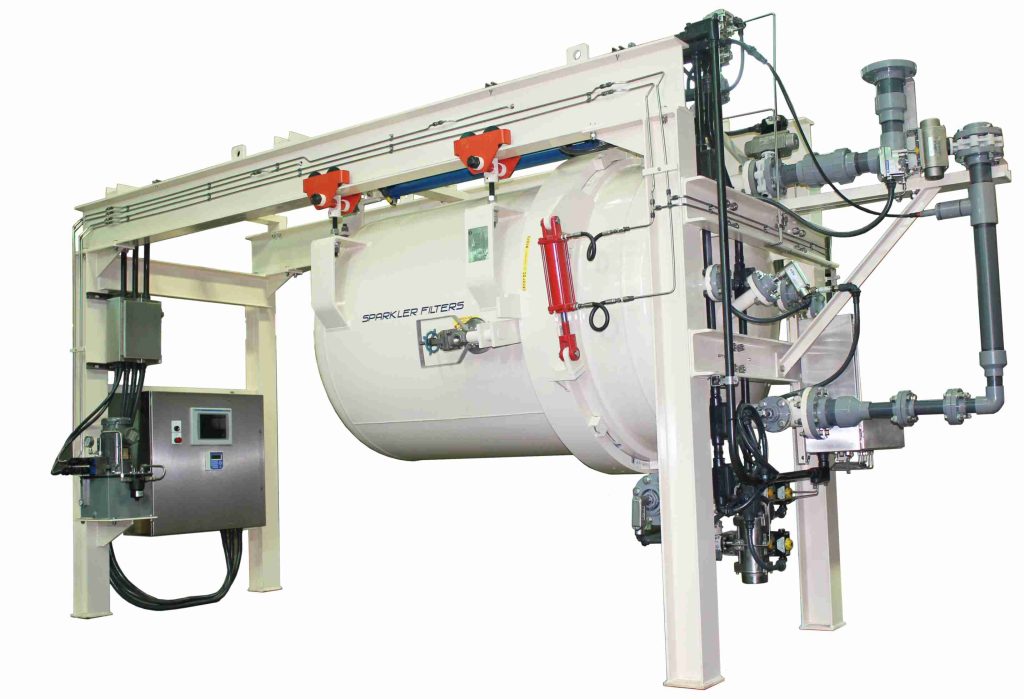
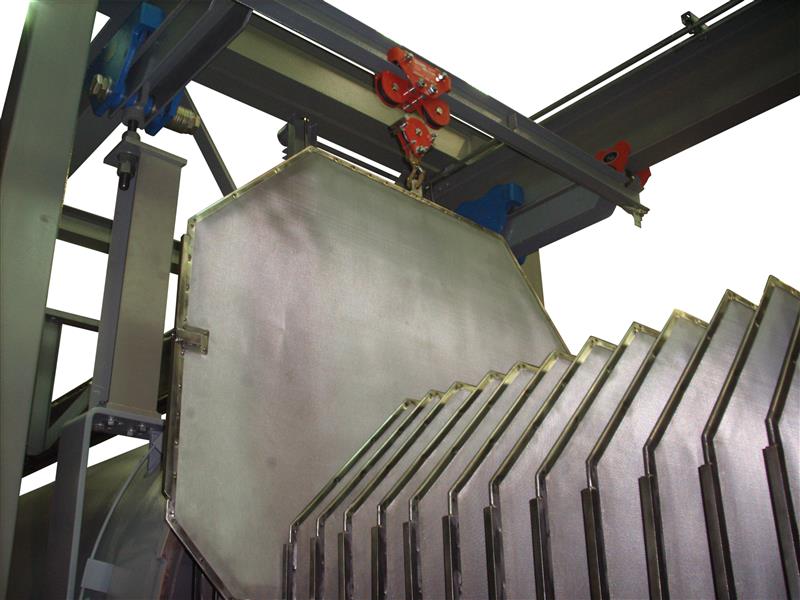
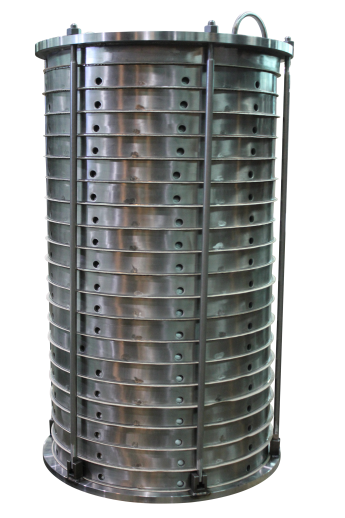
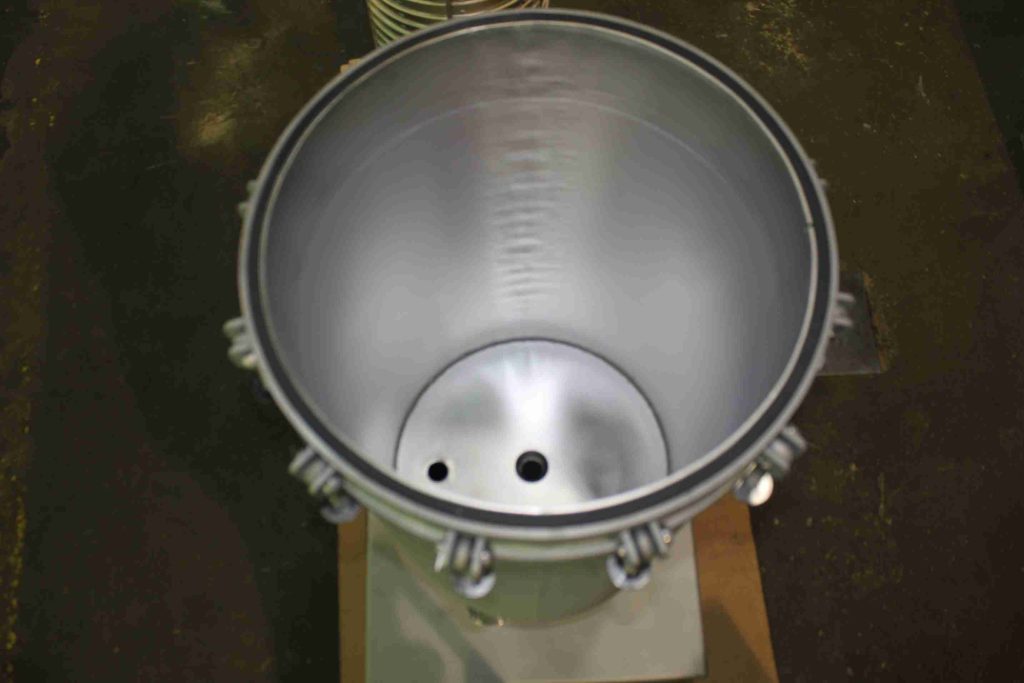
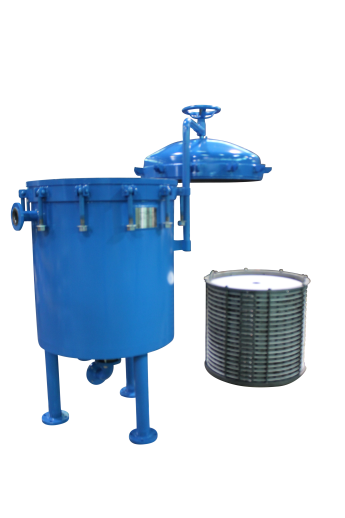
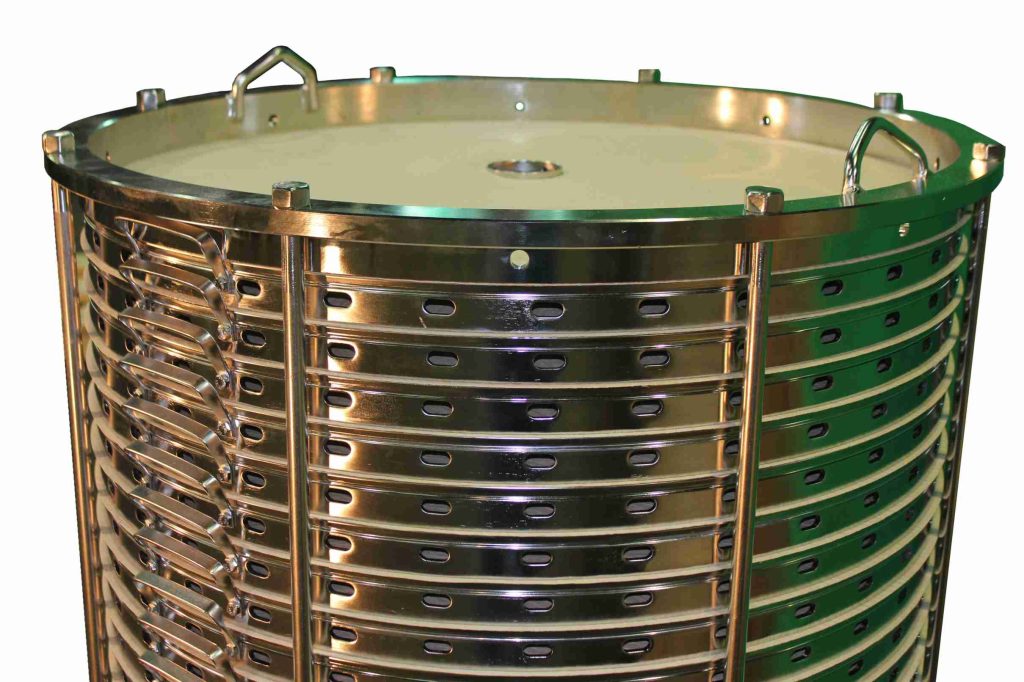
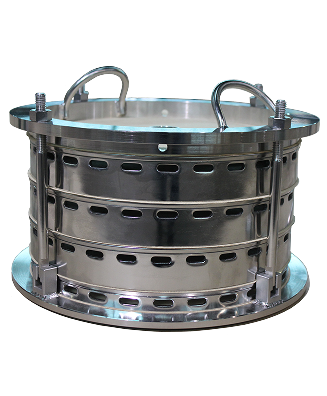
A scavenger plate (heel filter) can be used to maximize throughput for high value products, corrosive or hazardous
environments, to assist in cleaning and drying or prevent cross contamination of multiple products.
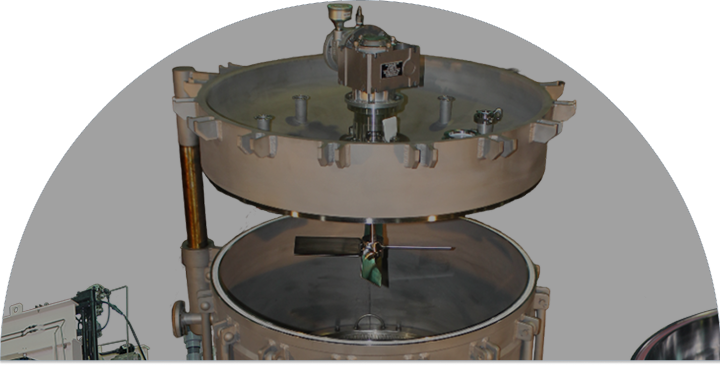
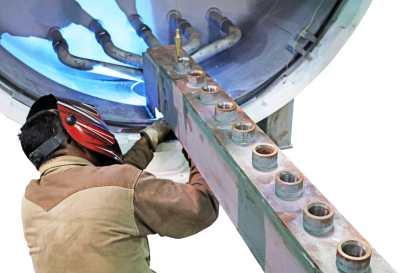
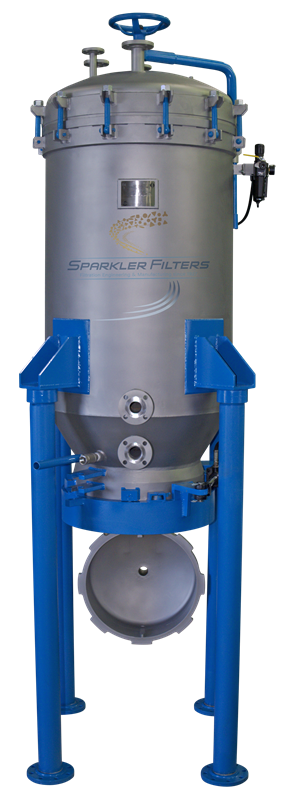
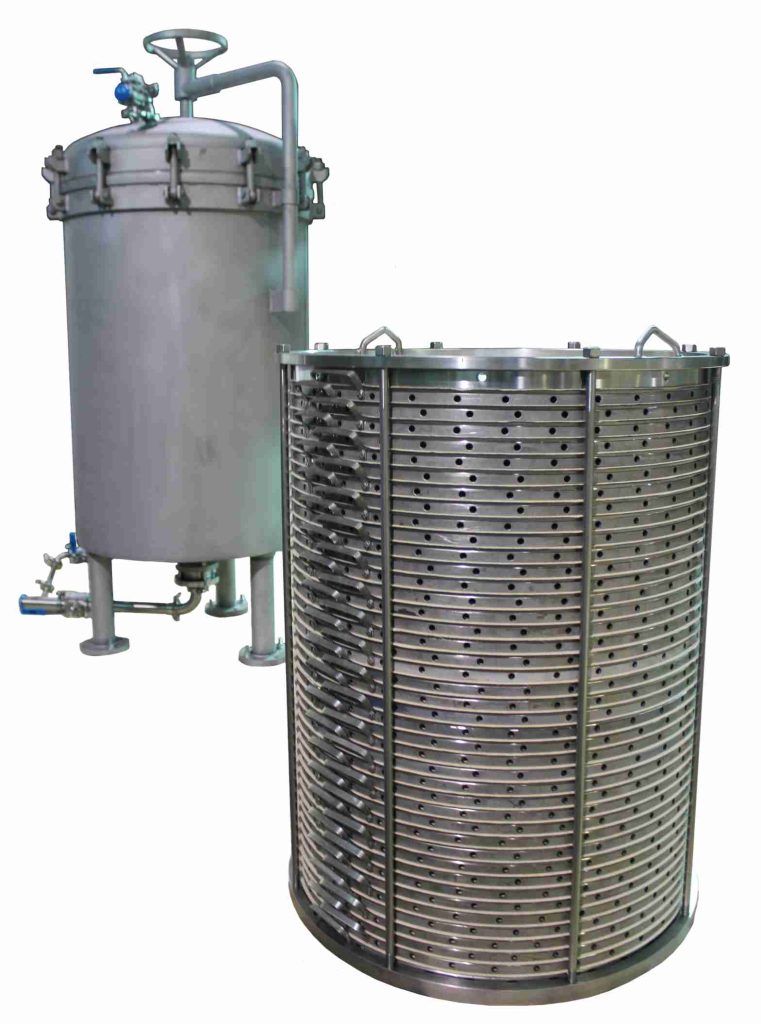
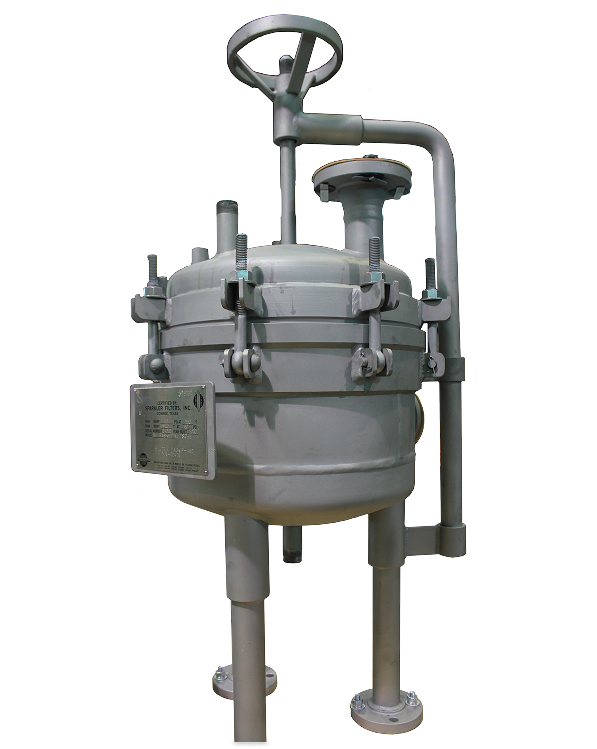
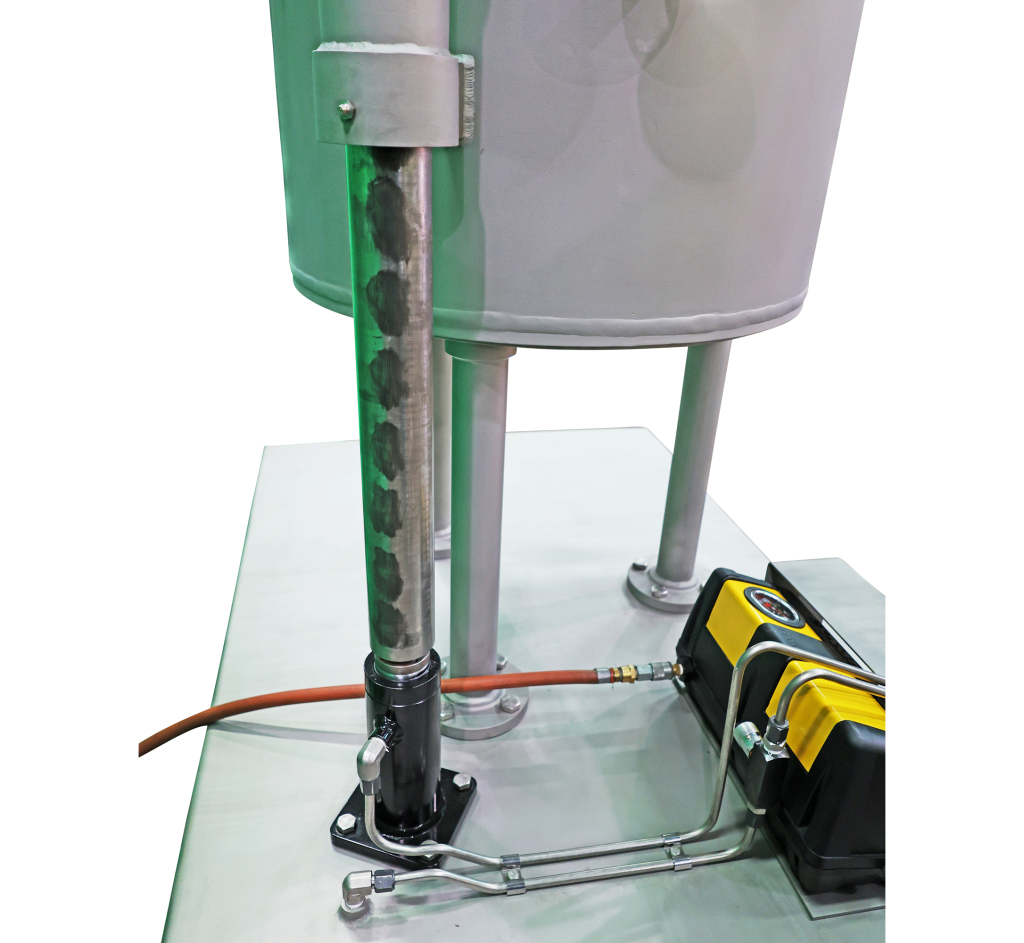
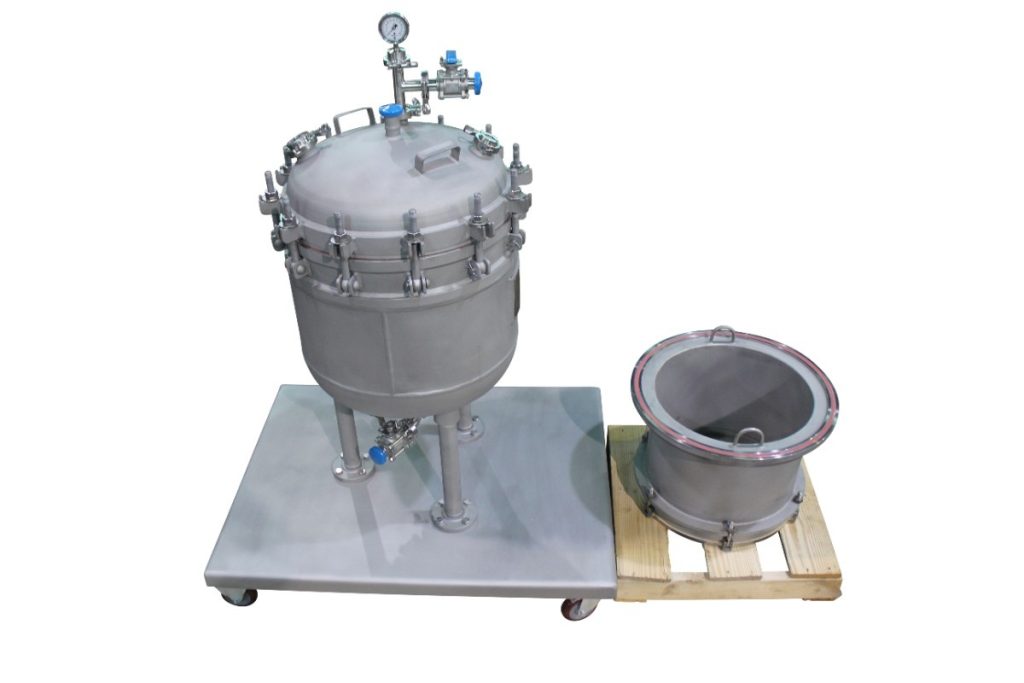
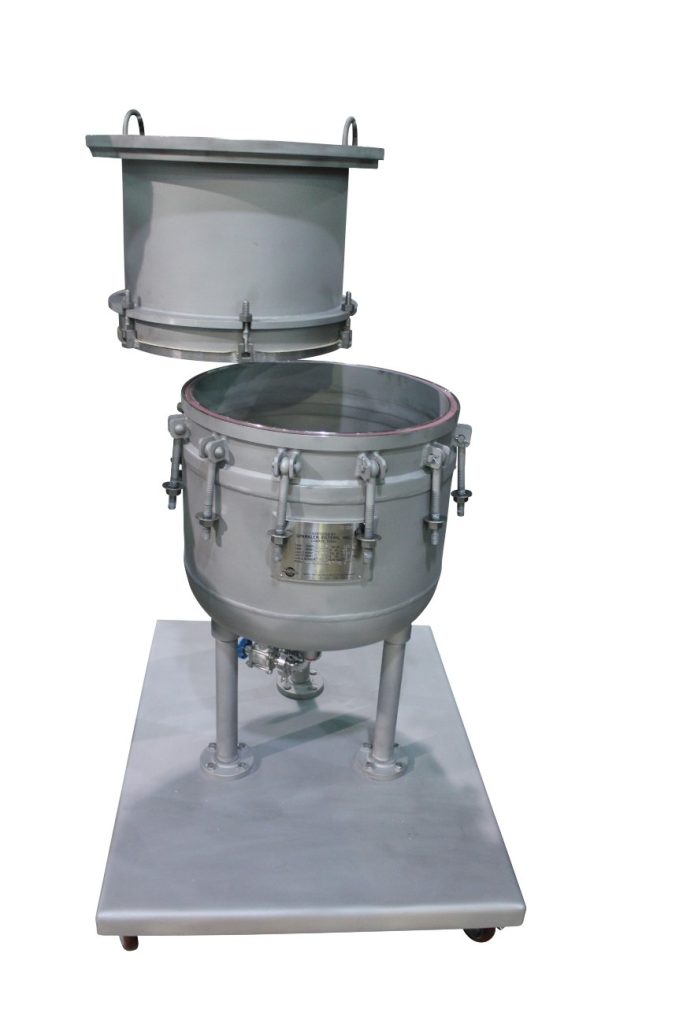
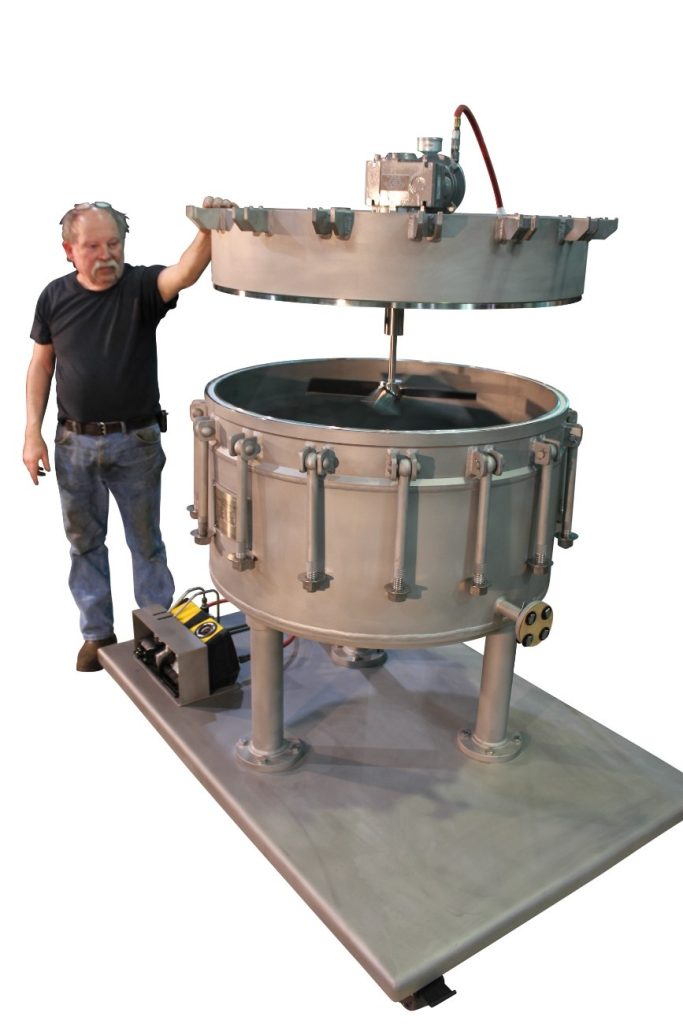
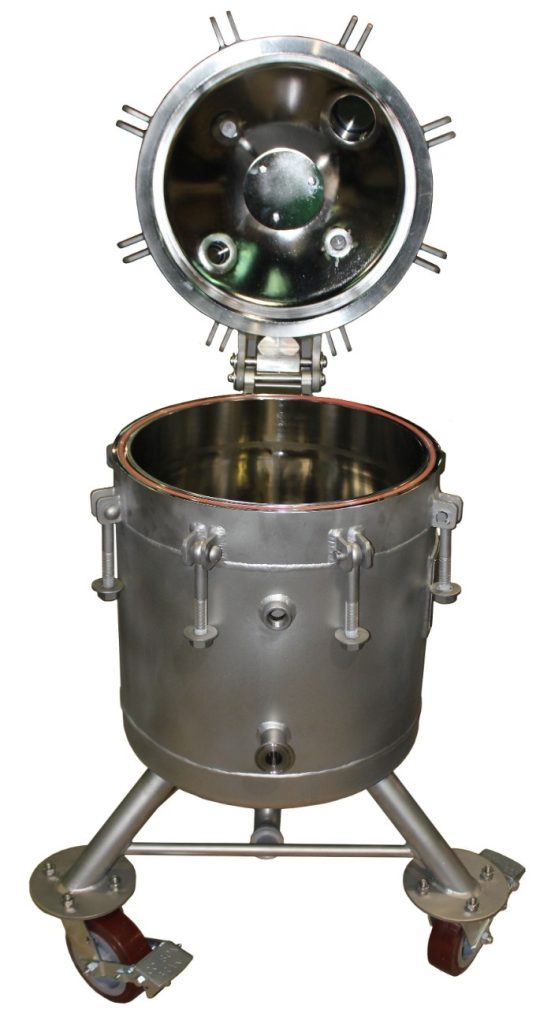
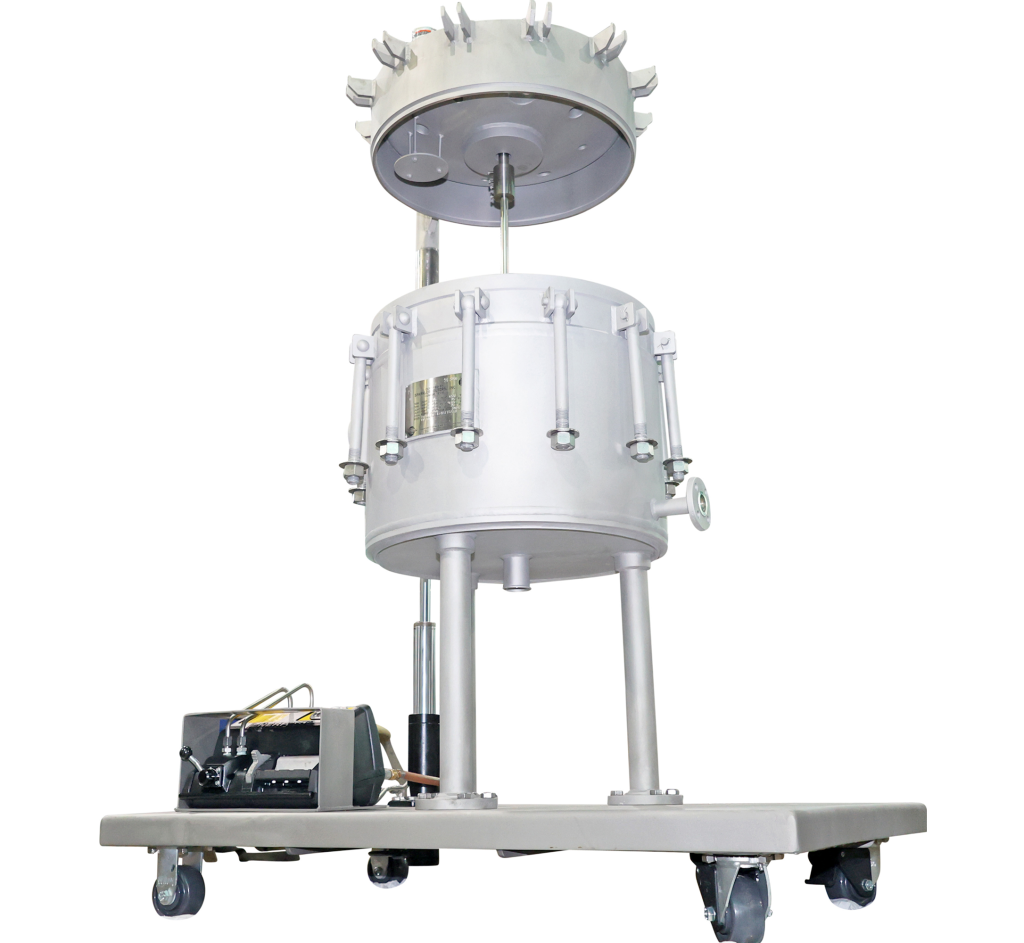
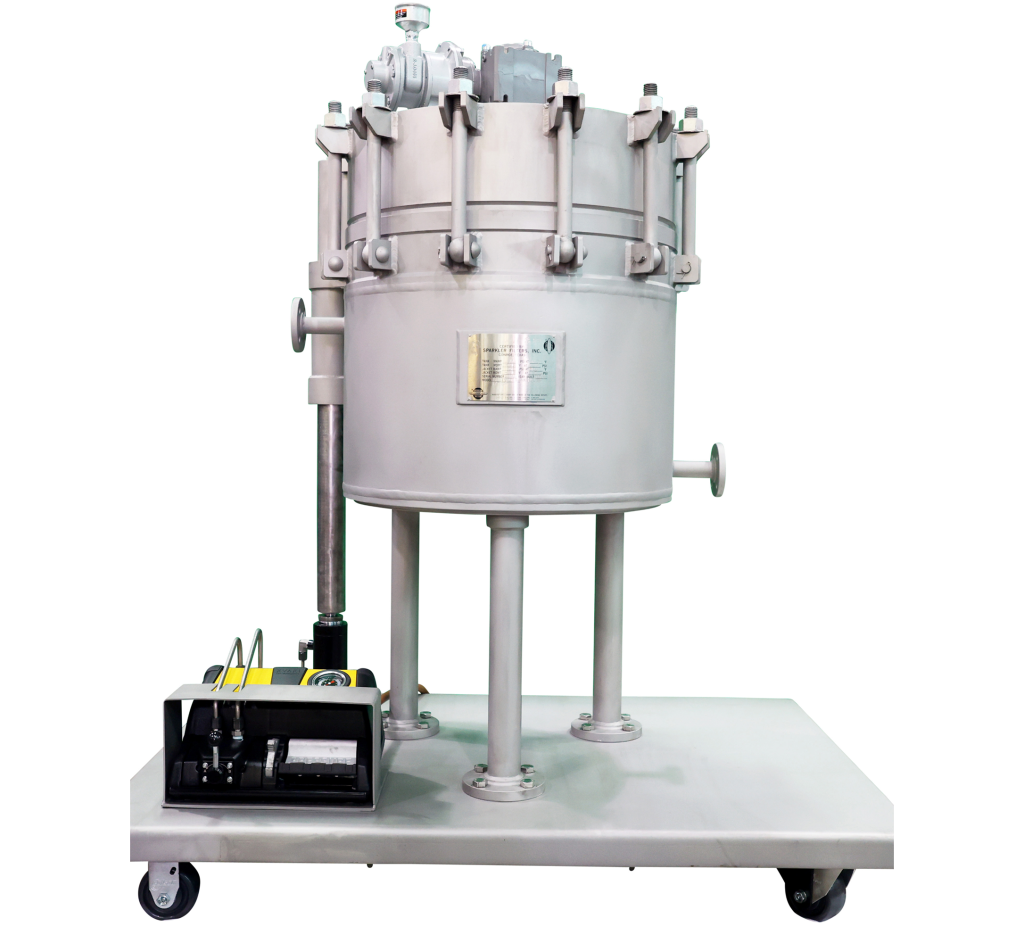
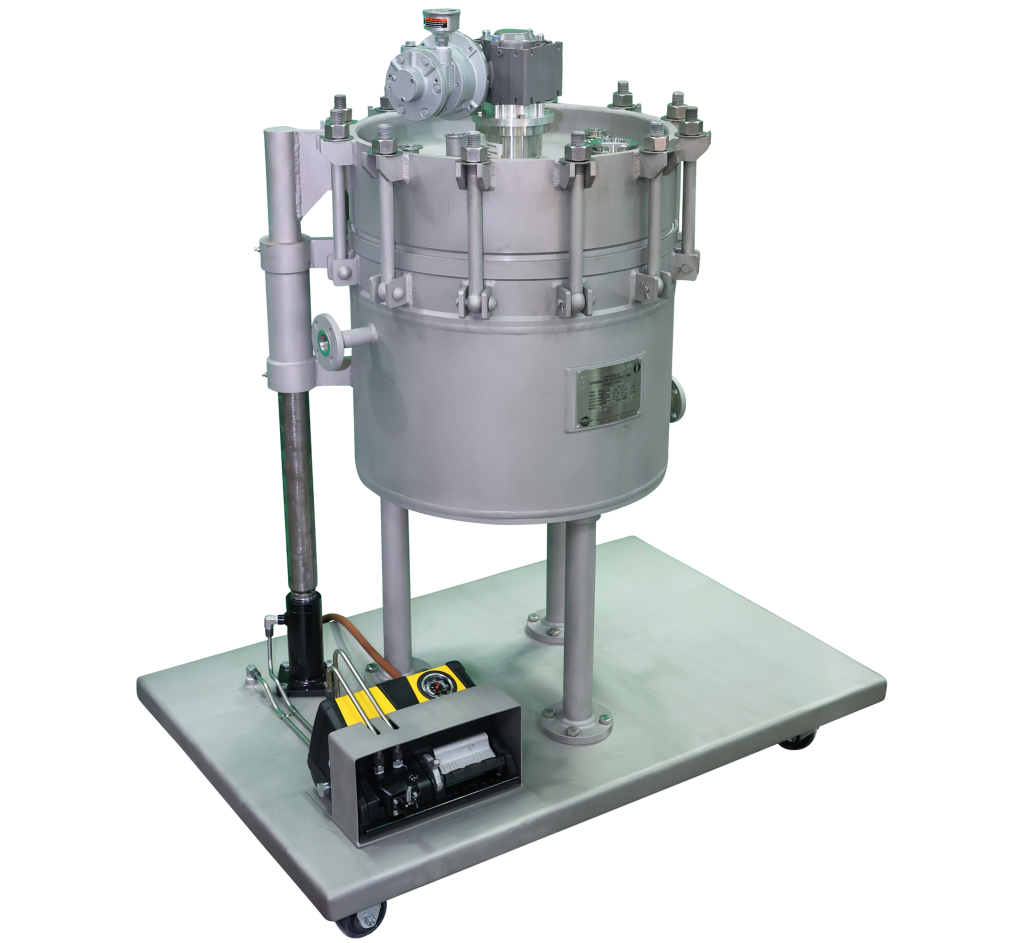
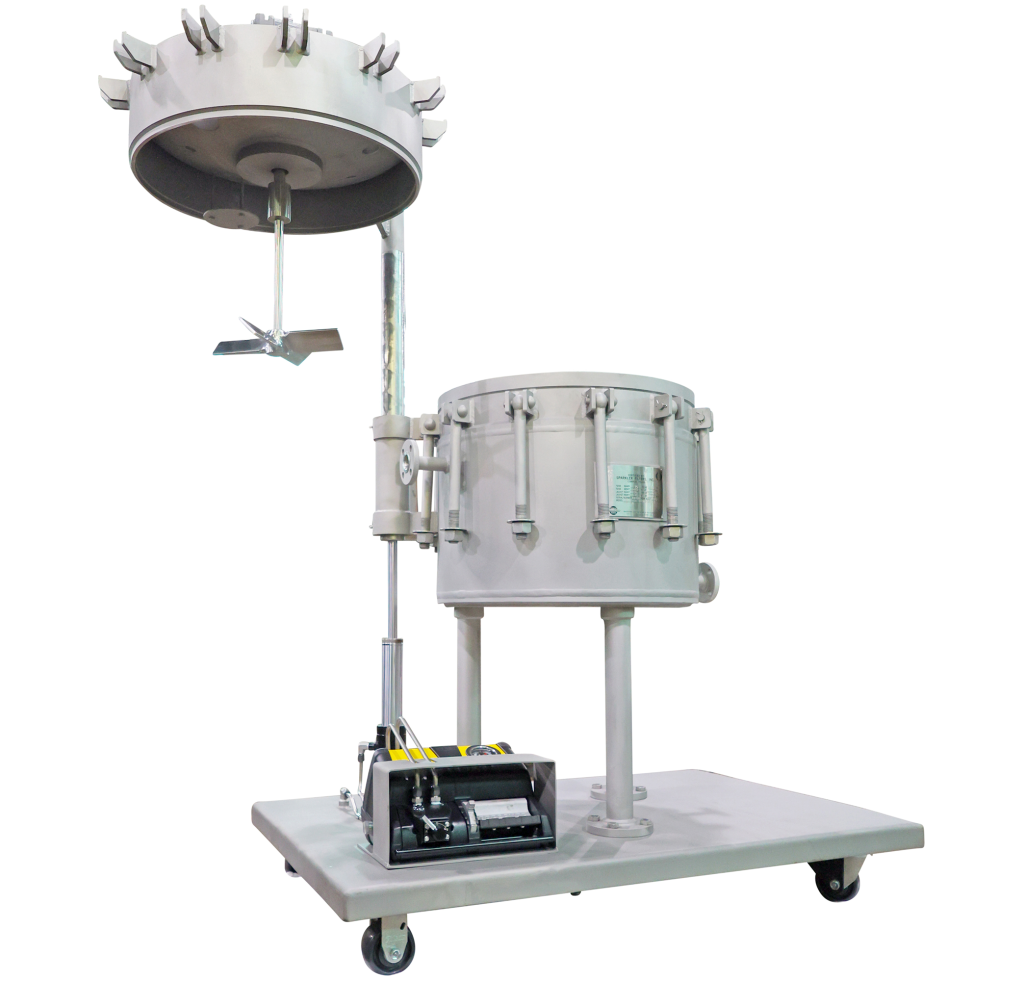
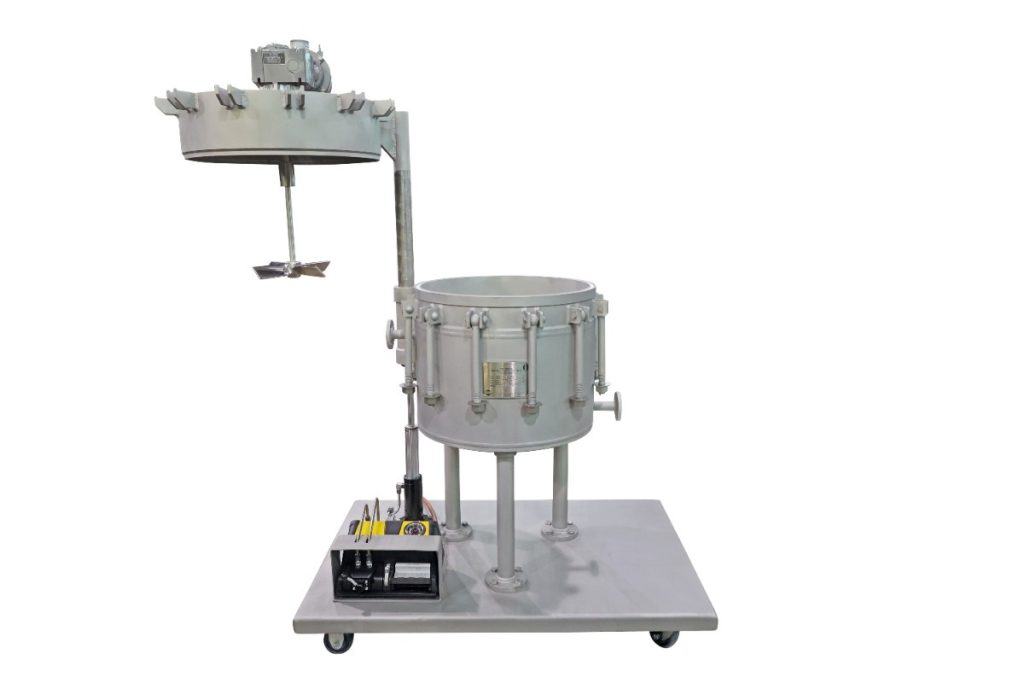
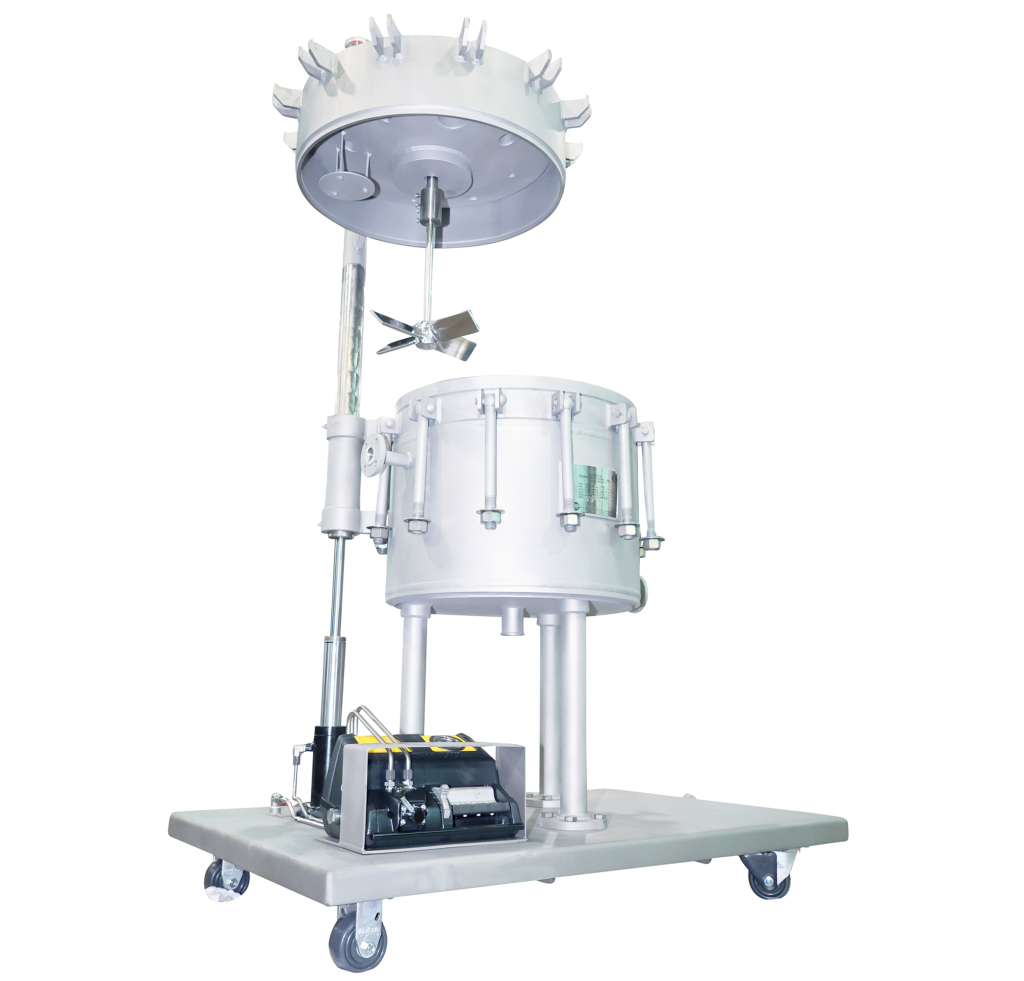
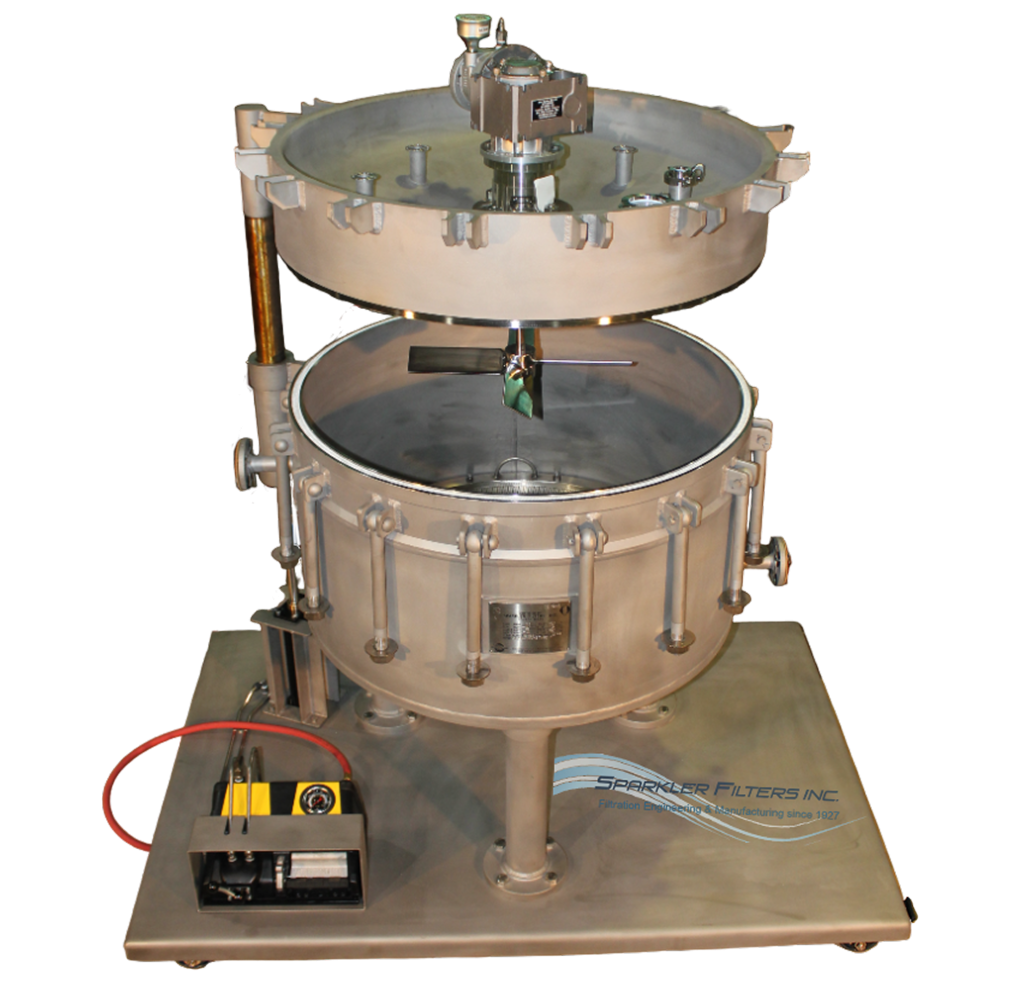
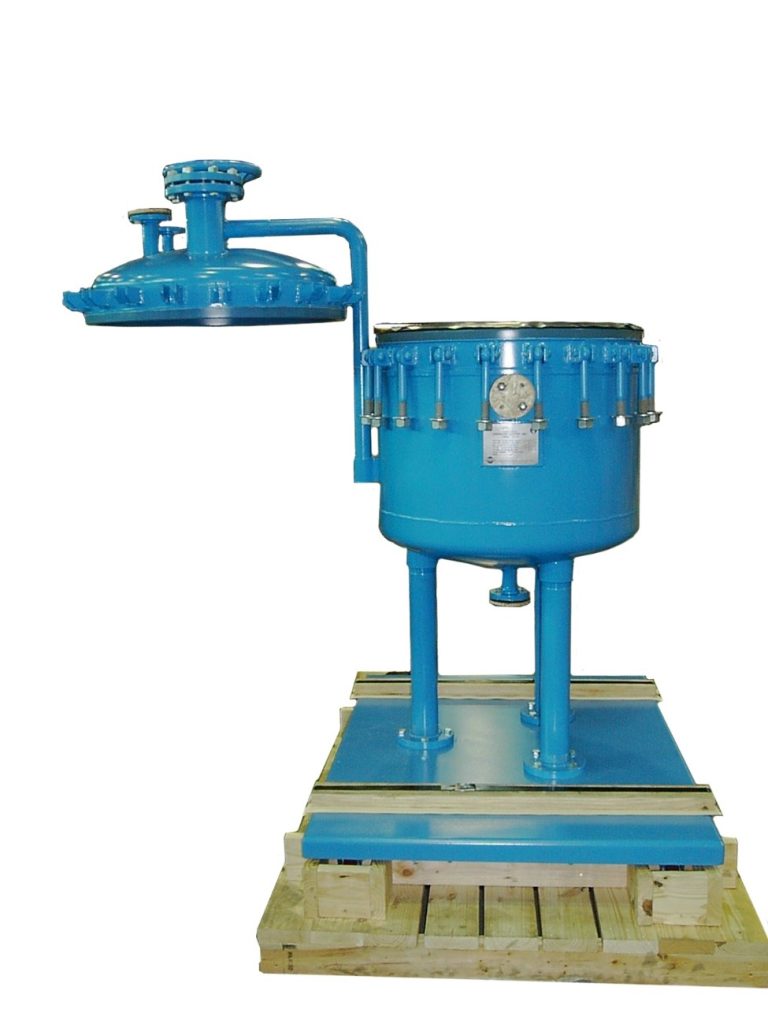
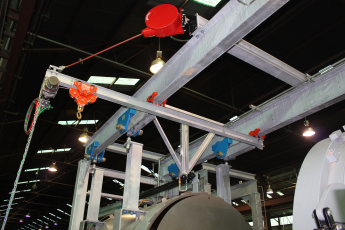
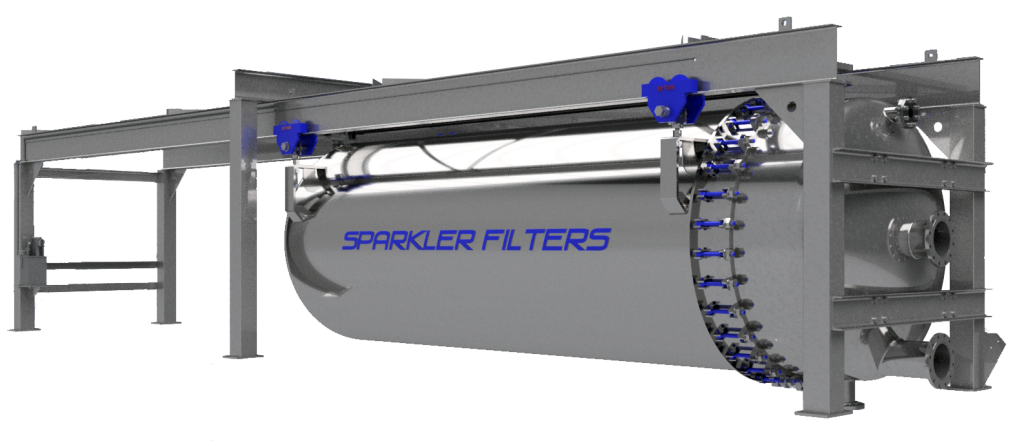
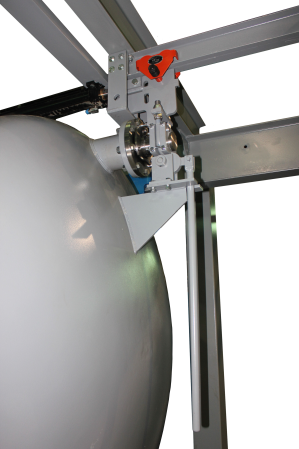
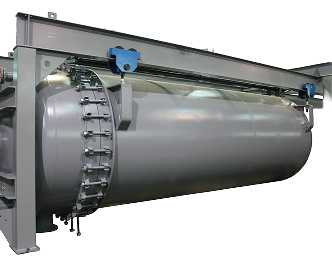
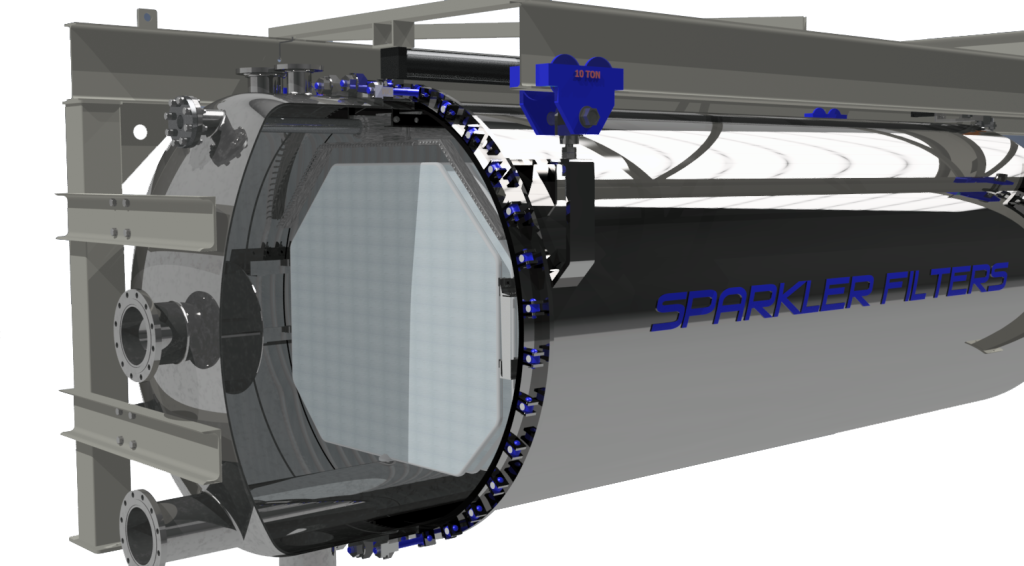
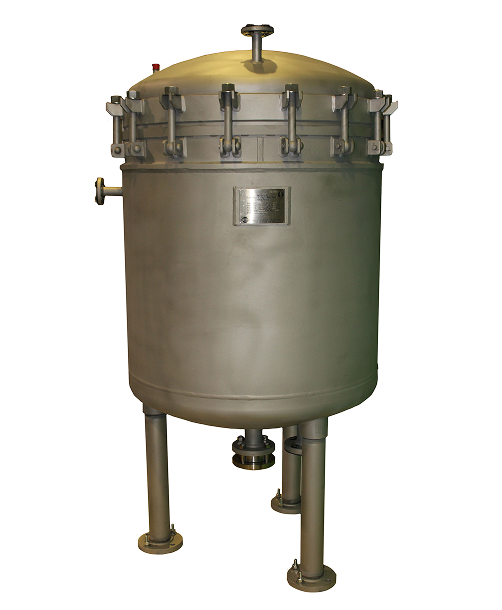
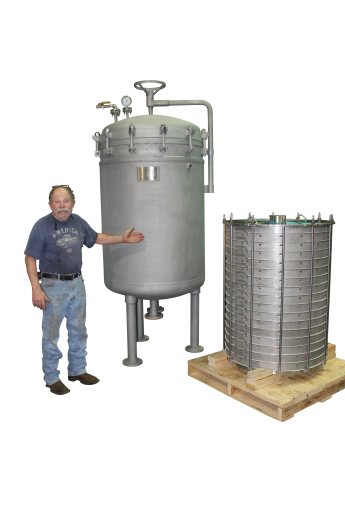
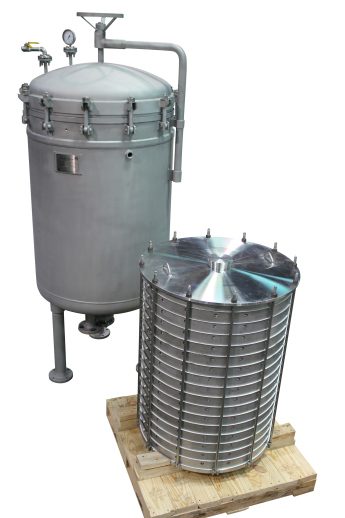
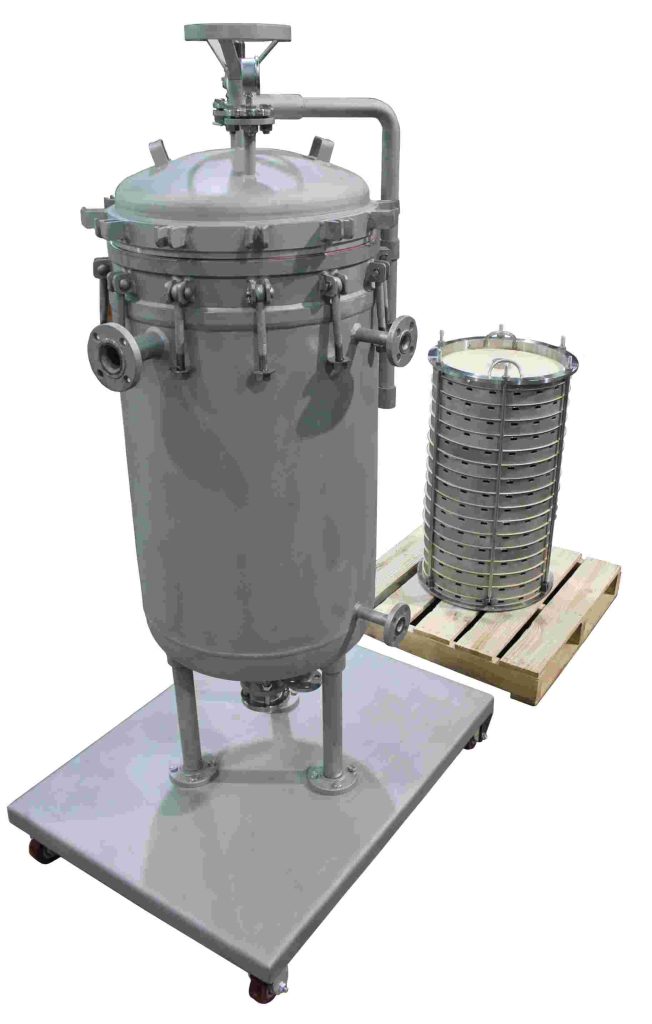
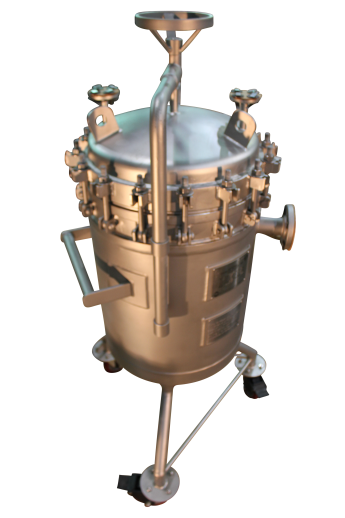
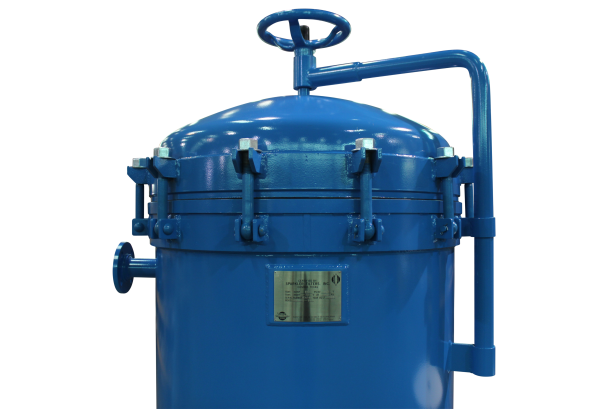
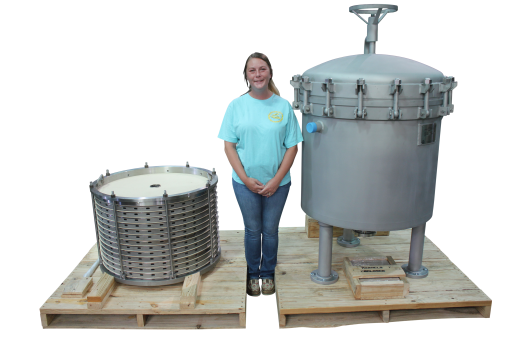
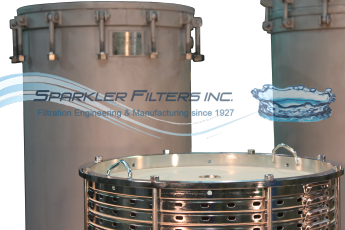
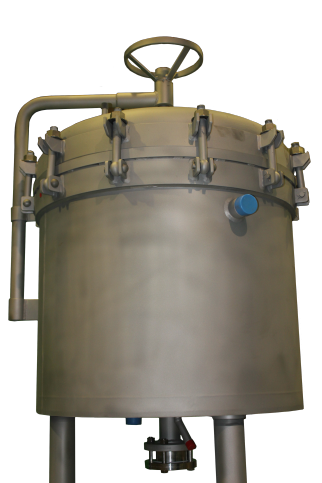
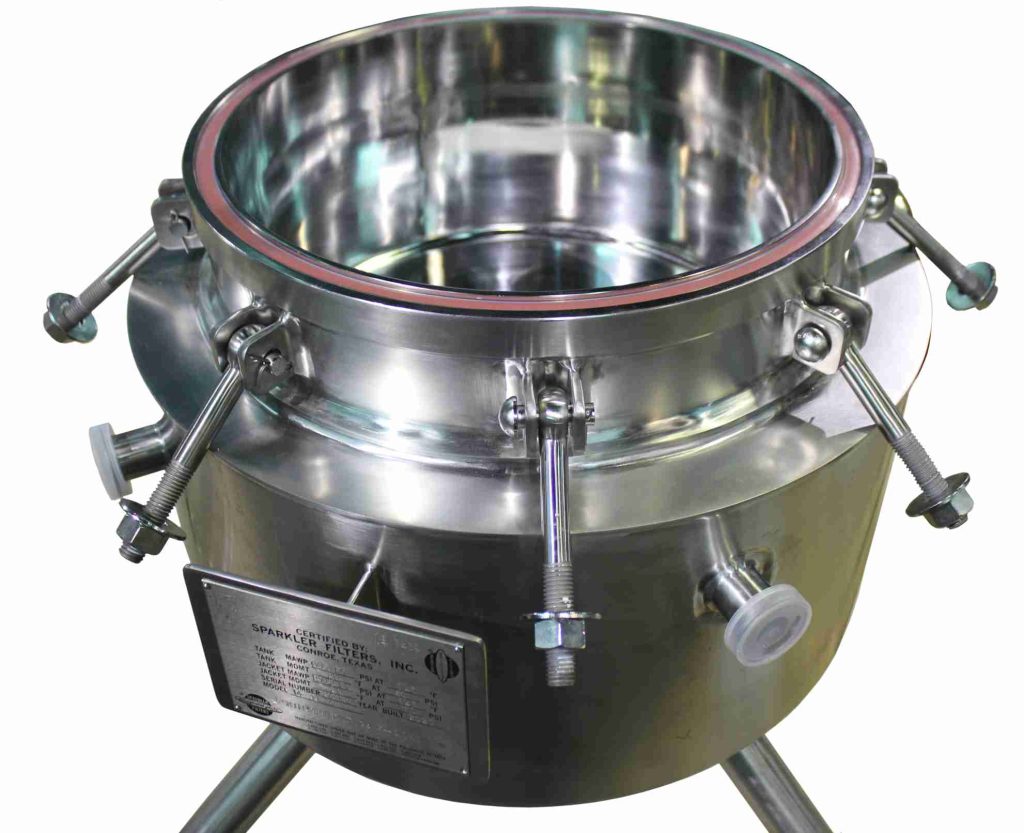
Cover removal options can be lifting handles, hooks for hoist or forklift removal, handwheel and davit arm or hydraulic lift
assist.
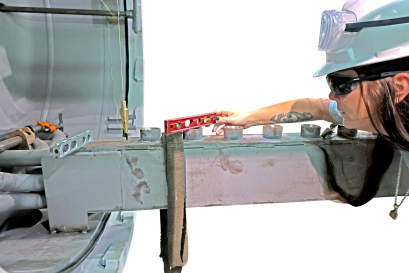
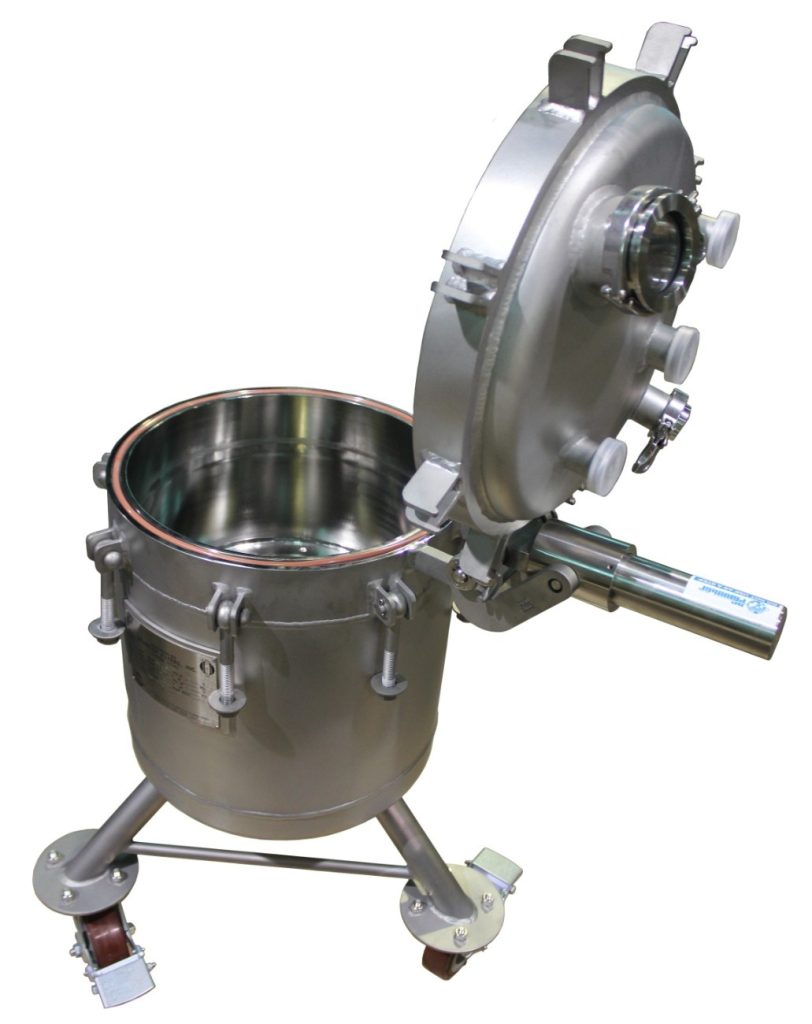
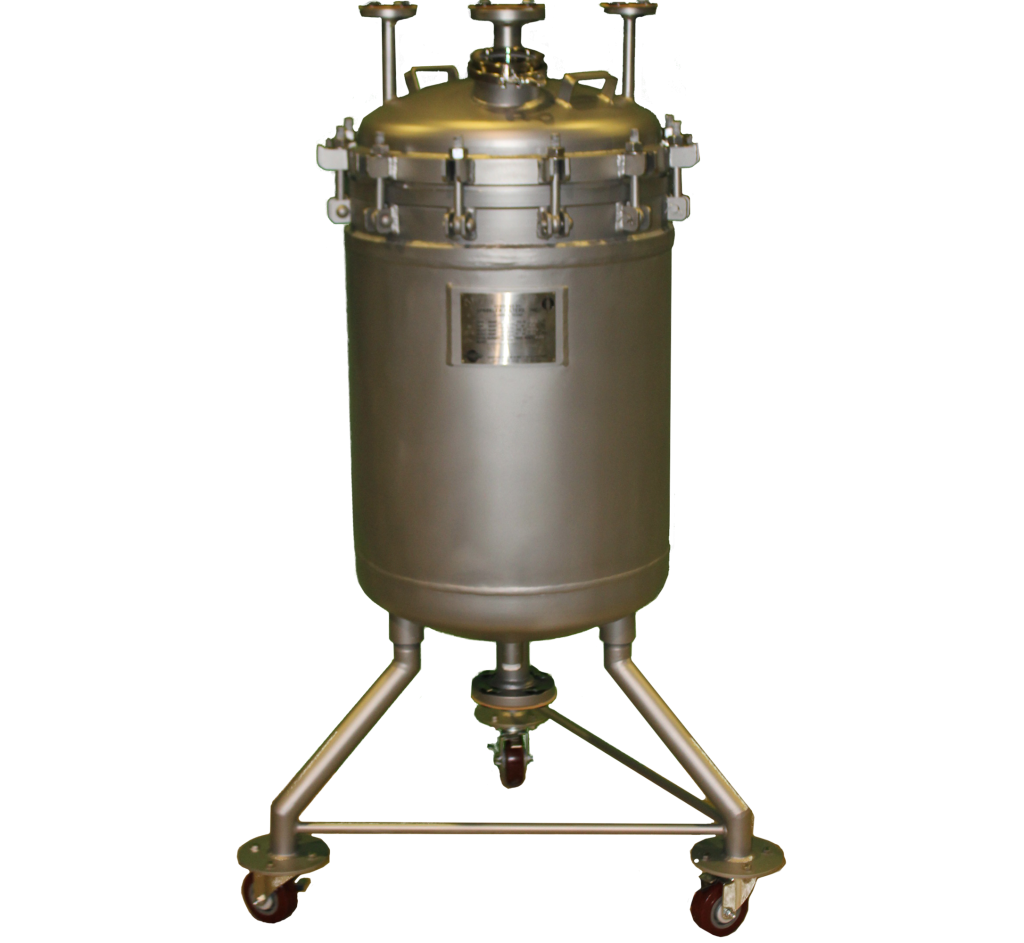
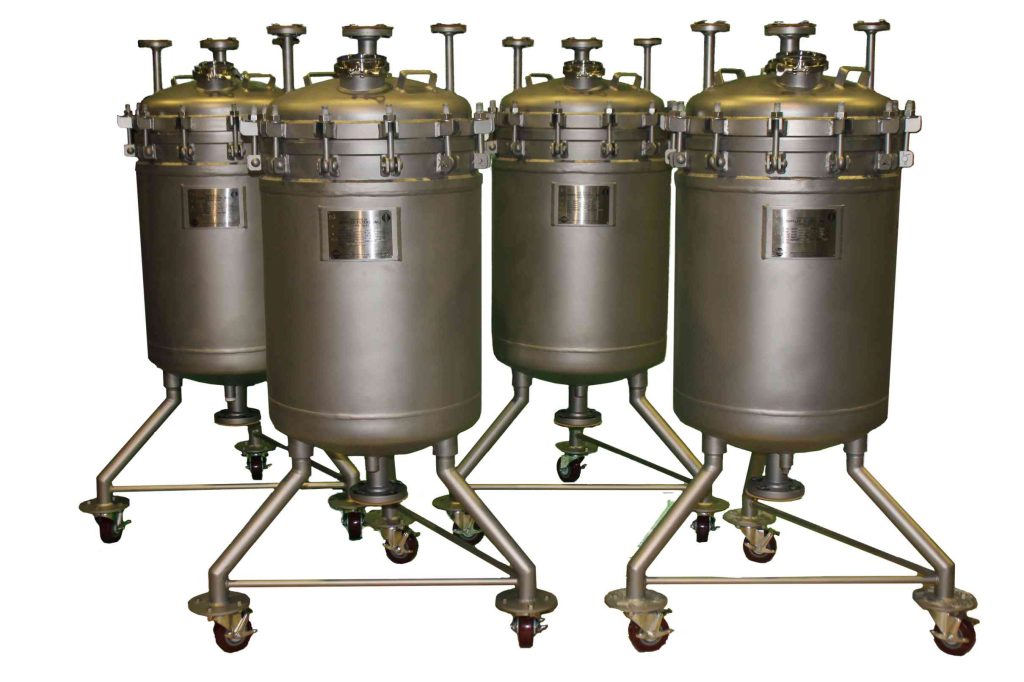
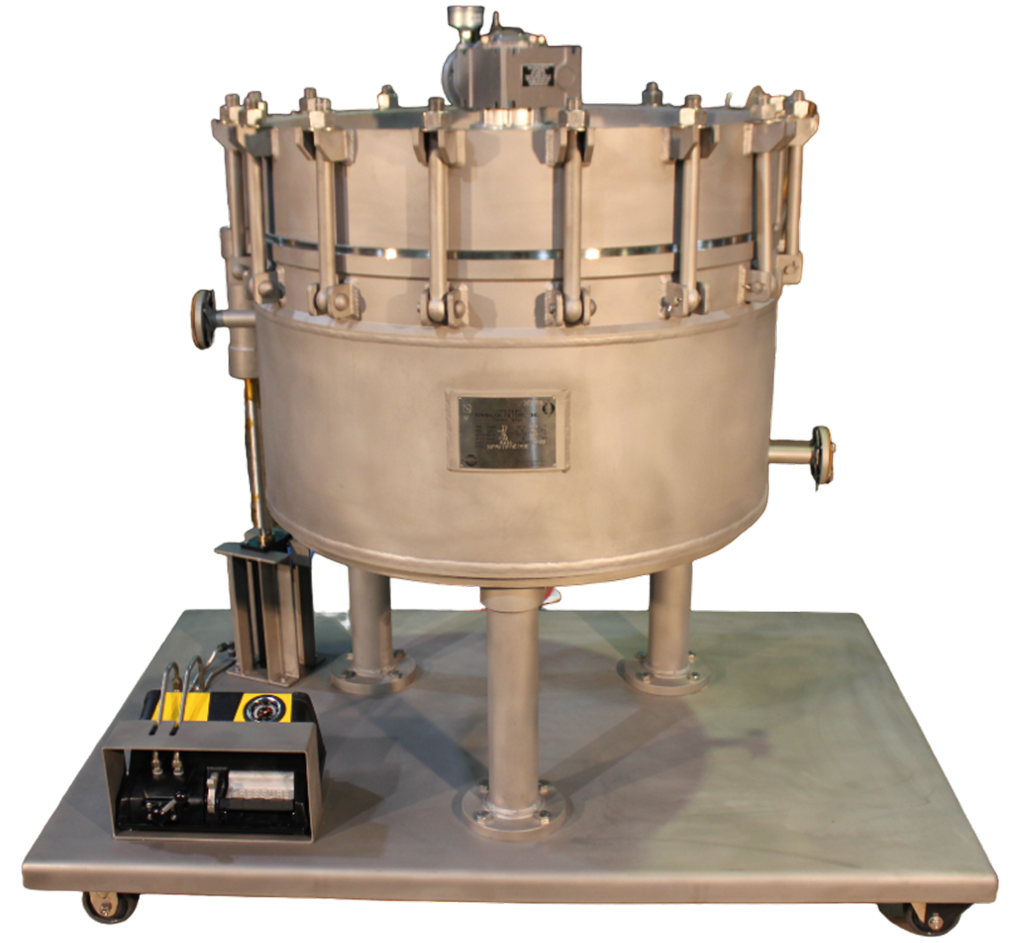
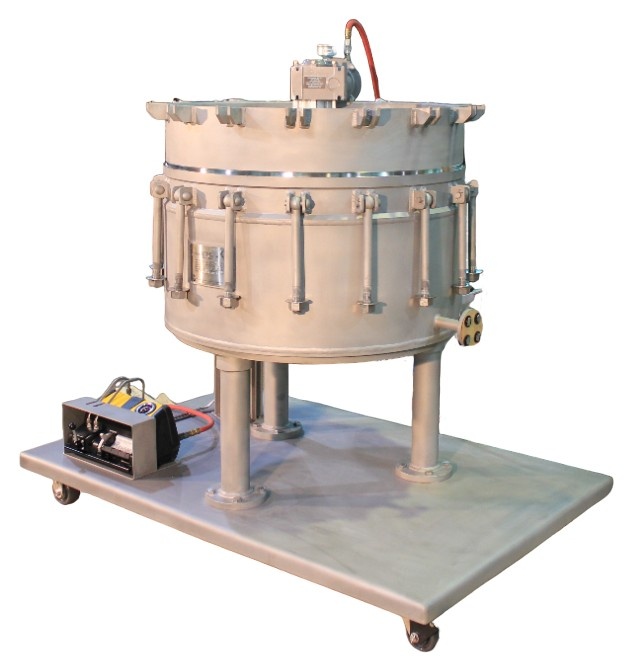
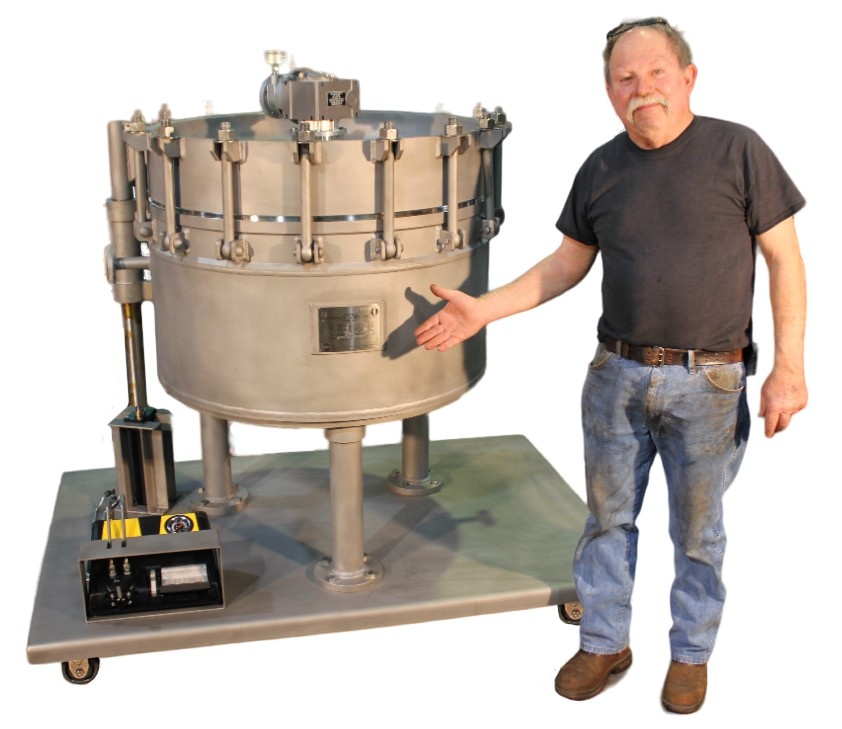
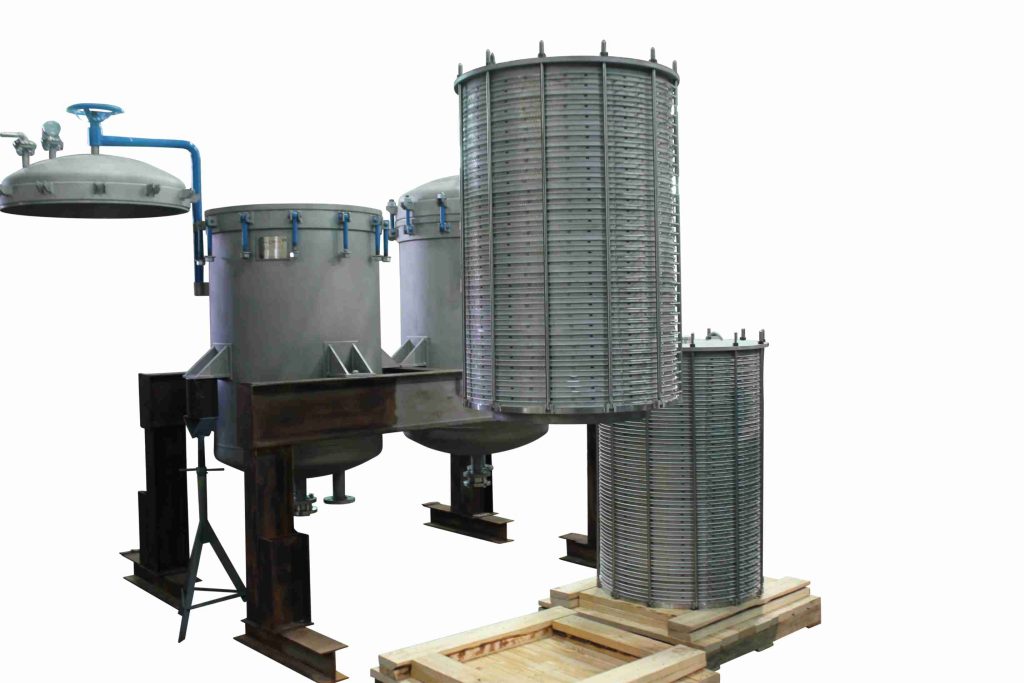
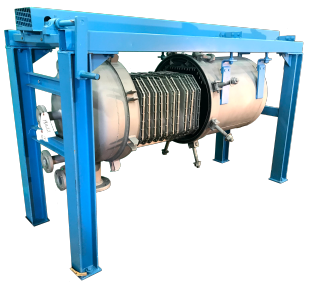
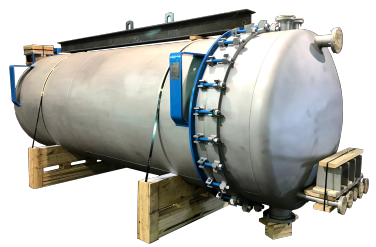
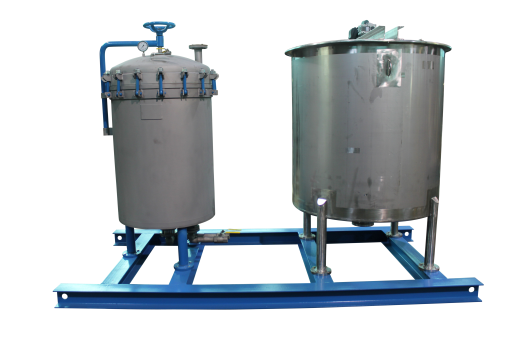
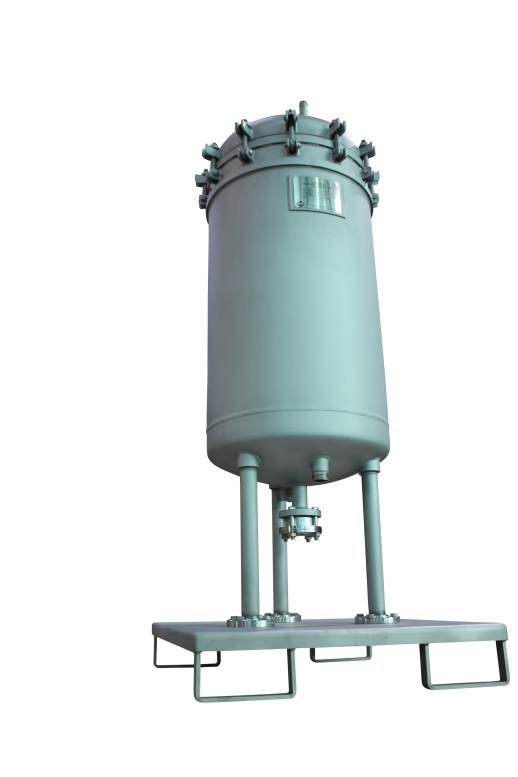
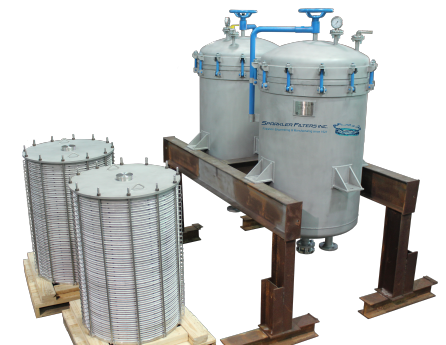
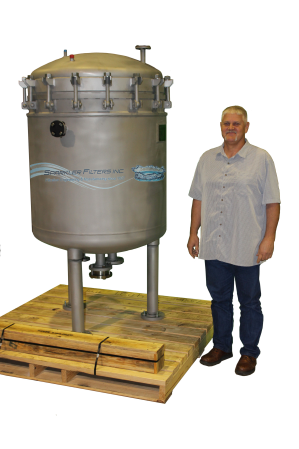
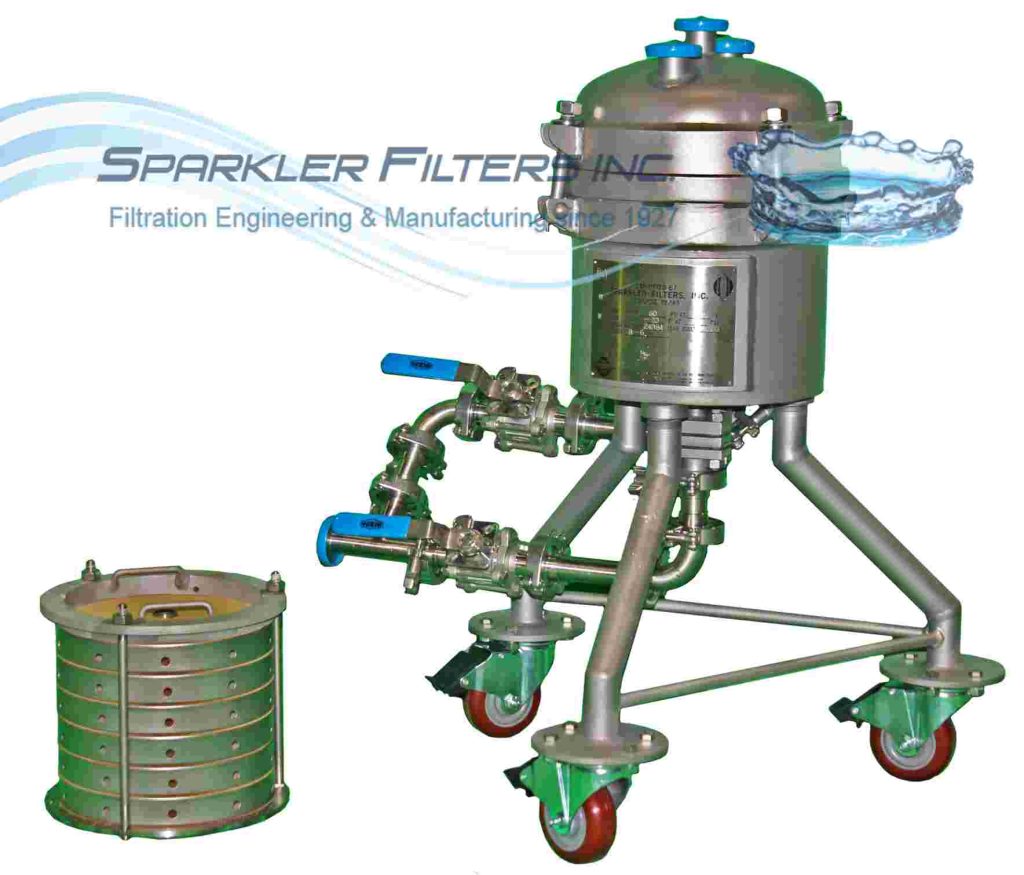
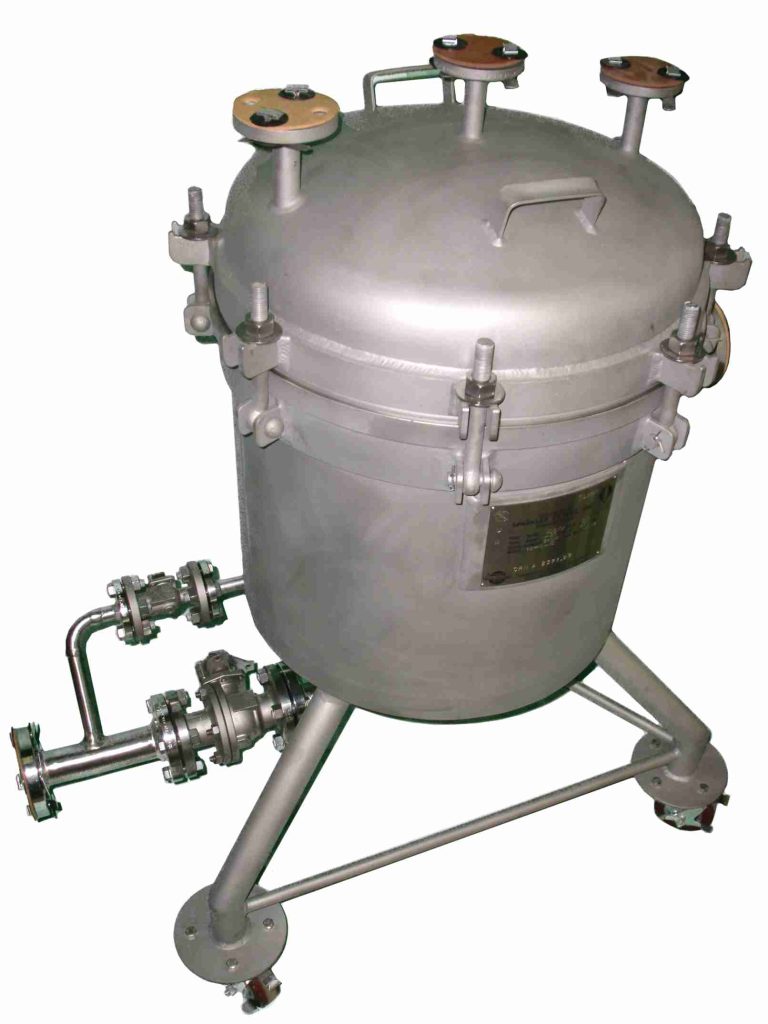
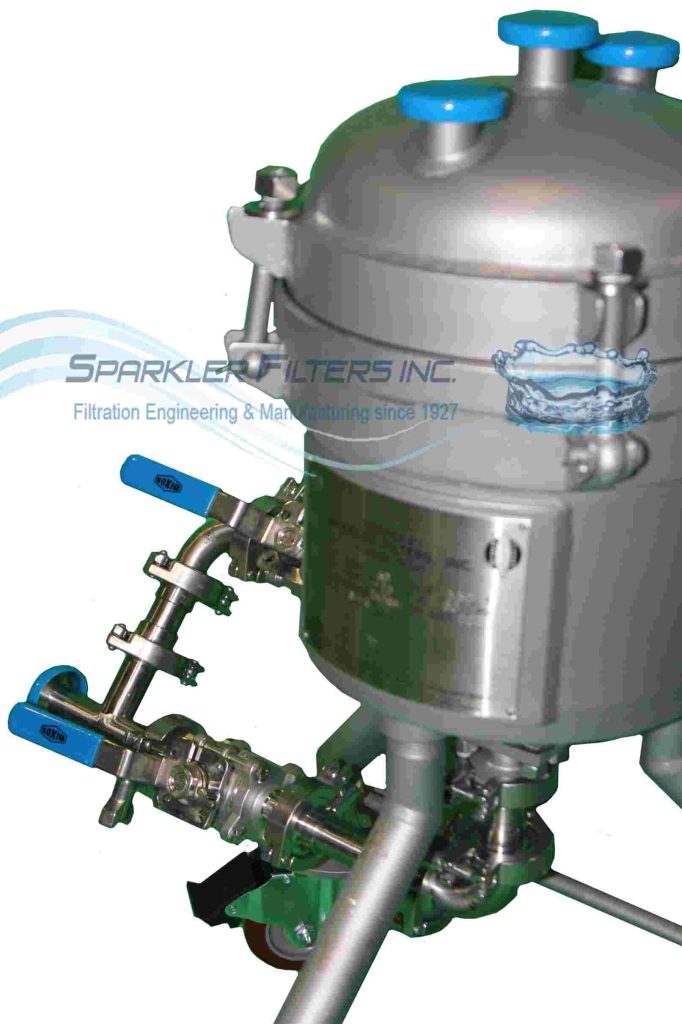
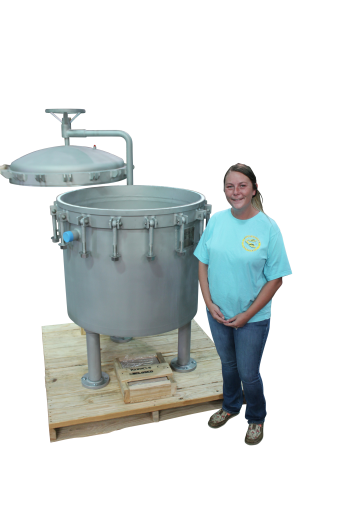
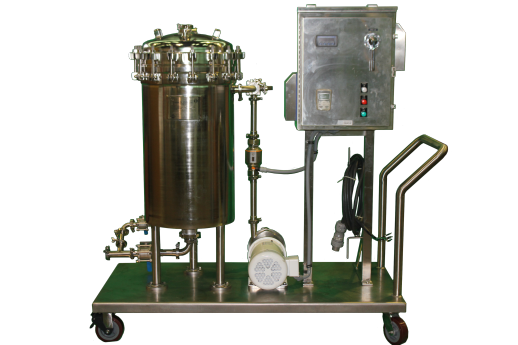
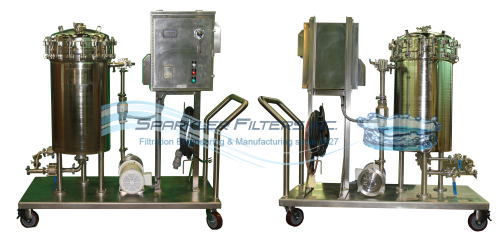
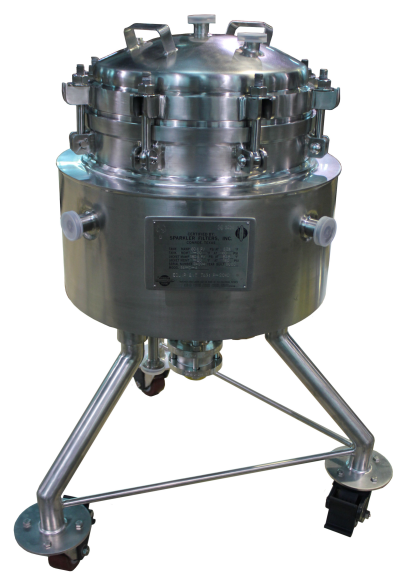
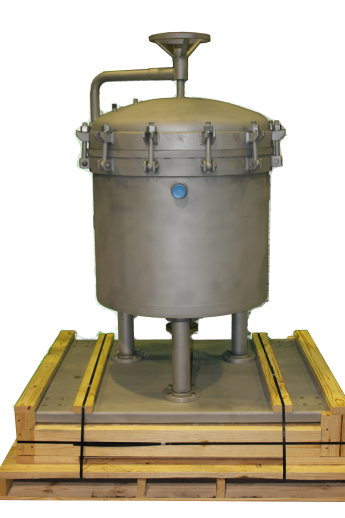
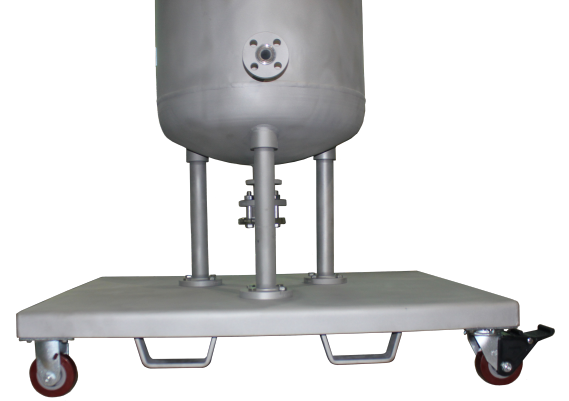
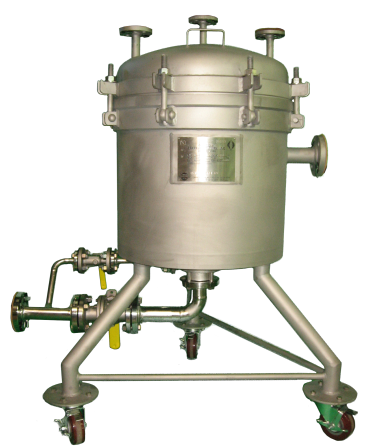
Filter mounting can be a standard 3-4 pipe legs with floor flanges, girth mounted, portable pharmaceutical style base with
casters, base with forklift pockets and/or casters or a cart style with handlebar. Mounting on MCROs are I-beam only.
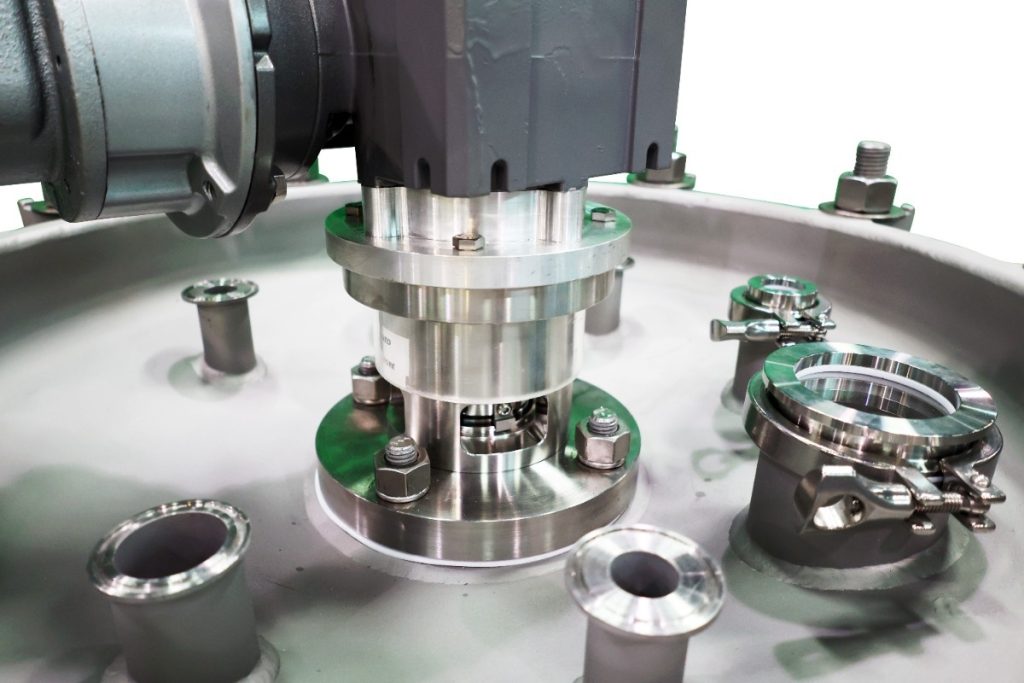
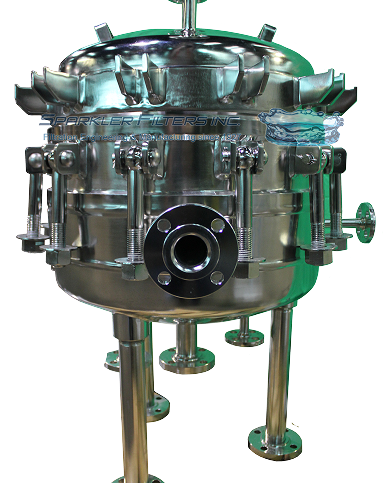
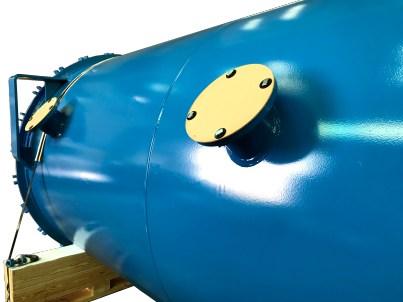
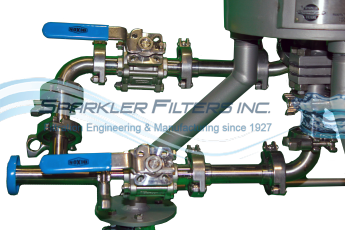
Port type and size are custom for each filter specific to your facilities needs. Options include NPT, flanged, DN and sanitary
(tri-clamp).
Click here for a complete list of design specs and options.
Design Options : Application Specific
Design pressures of the filter and jacket are dependent upon the material thickness and verified by ASME calculations and
third party approval. Filter design pressure starts at 60 psi and goes up to 150+. Jacket design pressure starts at 14.5 psi and
goes up to 150+
Design temperatures are depending on metal expansion limits and gasket limitations. Standard design is -20F-350F with
higher ranges available upon request.
Steam/Heat Jackets can be added to ensure temperature variation remains constant.
Differential pressure is typically determined my screen thickness. Standard pressures begin at 50 psid and can go to 100+ if
requested.
New filters can be rated for full vacuum upon request.
Click here for a deep dive into design specs and options.
Conclusion :
Optimizing Filtration for Maximum Performance
To achieve the highest filtration efficiency, product quality, and operational reliability, follow these key principles :
Determine application process parameters – Understand critical variables like flow rate, viscosity , solids loading , and pressure requirements. Click here to view our Viscosity and Solids Loading Visualizers
Define process goals and objectives – Establish clarity standards, throughput targets, and discharge requirements.
Select the right equipment and filter media – Ensure proper sizing, cake spacing and media selection for optimal separation efficiency.
Optimize system design – Balance throughput capacity, pressure drop, and cycle times to maximize efficiency.
Monitor pressure drop and filtration performance – Prevent inefficiencies, media blinding, and process disruptions through proactive system monitoring
With nearly a century of expertise, Sparkler Filters exemplifies :
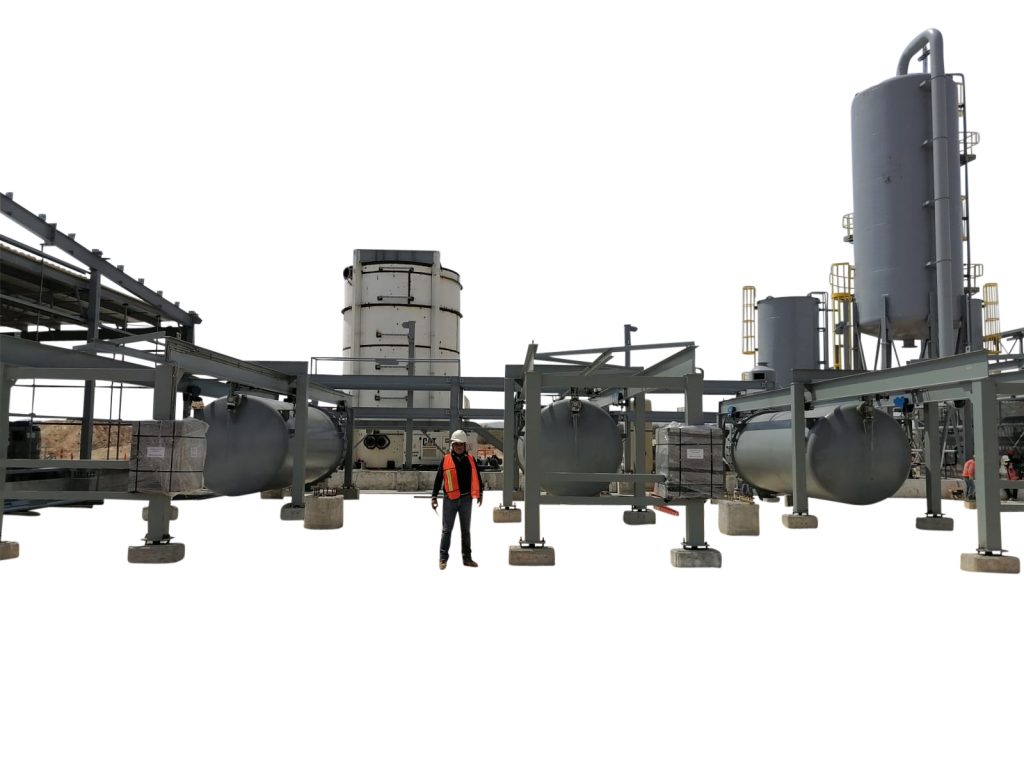
Application-specific, precision-engineered filtration solutions in +24,000 installations
Optimized solutions that maximize throughput and efficiency for decades
Industry-leading product quality and generational reliability – Made in the USA
Cost-effective filtration systems designed for long-term profitability and ROI
Genuine OEM parts availability for decades
Expert consultation included and access to our library of applications
Let’s Optimize Your Filtration Process Today
At Sparkler Filters, we don’t just supply high-quality, American-manufactured and engineered filtration equipment—we deliver tailored, application-specific solutions designed to enhance your process, improve efficiency, and maximize profitability for long-term success.
Your partnership with Sparkler ensures your manufacturing process receives the most effective, dependable, and high-performance filtration solution in the industry.
Contact us today to discuss your application and see how Sparkler Filters can help optimize your filtration system.